
Quality Assurance Services
CodeIT provides QA strategy, manual and automated testing, performance validation, and AI-augmented QA workflows that help reduce delivery risk, improve release confidence, and keep quality human-owned.



Business First
Code Next
Let’s talk
- QA strategy
- Manual testing
- Test automation
- Performance testing
- AI-assisted coverage
- Human review
- Predictable releases
QA that keeps pace with modern delivery
Software delivery is getting faster. Testing has to keep up without losing control.
CodeIT helps teams establish QA as a structured delivery capability — with clear ownership, measurable coverage, reliable reporting, and quality gates that support predictable releases.
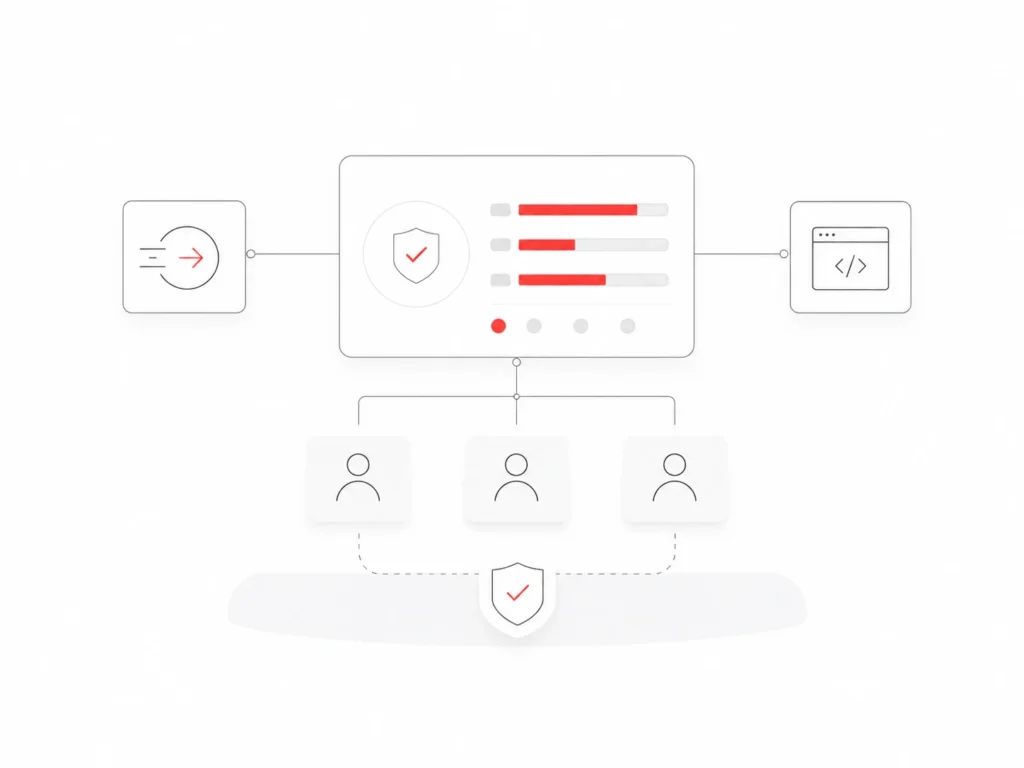
How we keep QA moving at delivery speed
CodeIT helps QA stay aligned with faster release cycles through a controlled, measurable, and human-owned quality process.
Structure the QA Process
We define quality gates, ownership, test documentation, reporting routines, and release readiness criteria.
Automate What Should Repeat
We turn repetitive regression, API, E2E, and performance checks into maintainable automated coverage where it makes sense.
Augment QA With AI
AI can support test drafting, automation scaffolding, documentation, and failure analysis — while QA engineers review, validate, and sign off on every critical output.
Core QA services
QA Strategy & Process Setup
Build a scalable and transparent QA process tailored to your product, technology stack, team structure, and release model.
Includes:
- QA process review and improvement planning
- QA strategy, quality gates, and ownership model
- Test documentation standards
- Test environment and CI/CD alignment
- Reporting structure and quality metrics
- Manual, automation, and SDET role planning
Outcome:
A structured QA operating model that helps replace ad-hoc testing with predictable quality control.
QA Audit & Maturity Assessment
Evaluate current testing practices, tools, coverage, automation readiness, and quality ownership to identify risks and improvement areas.
Includes:
- Review of QA processes and delivery alignment
- Analysis of test coverage and automation state
- Evaluation of QA tools, reporting, and CI/CD integration
- Assessment of team structure and ownership model
- Prioritized improvement recommendations
Outcome:
A practical QA improvement roadmap based on current maturity, risks, and delivery goals.
Manual Functional and Non-Functional Testing
Validate product behavior, usability, reliability, and release readiness across supported platforms and environments.
Includes:
- Functional testing
- Regression, smoke, and sanity testing
- Usability, compatibility, and accessibility checks
- API, backend, web, and mobile validation
- Defect reporting and traceability
- UAT and release support
Outcome:
Each release is validated against business, user, and technical expectations before it reaches production.
Automation Test Strategy & Development
Design and implement automated testing that supports faster, more reliable releases and reduces manual regression effort.
Includes:
- Automation feasibility assessment
- Automation strategy and scope definition
- UI, API, and integration test automation
- Framework setup and test data management
- CI/CD integration and reporting
- Maintenance and expansion of automated coverage
Outcome:
A maintainable automation suite that shortens regression cycles and improves release confidence.
Performance Testing
Evaluate how your system performs under expected and peak loads, identify bottlenecks, and define optimization priorities.
Includes:
- Load, stress, spike, endurance, and scalability testing
- Performance KPI definition
- Test environment and data preparation
- Bottleneck analysis
- Recommendations for architecture, infrastructure, and configuration improvements
- Performance reporting
Outcome:
A clearer understanding of system behavior under load and the risks that may affect scalability or user experience. When bottlenecks are structural, our software architecture consulting team can go deeper than test findings.
AI-Augmented QA
Use AI to accelerate selected QA workflows while keeping human review, security boundaries, and QA ownership in place.
Includes:
- AI-assisted test case drafting
- Manual cases converted into automated test drafts
- AI-supported E2E / API / accessibility test generation
- Failure analysis and flaky-test triage support
- Test documentation and reporting assistance
- Human-gated review and QA sign-off
Outcome:
Faster QA execution without turning quality control into an unmanaged AI process.

Ready to improve the efficiency and stability of your software?

Business First
Code Next
Let’s talk
How AI-augmented QA works
AI-Augmented QA works best when it follows a controlled process. CodeIT applies AI inside a QA workflow where every step has defined inputs, outputs, and human review.

Analyze Requirements
We review business requirements, user stories, acceptance criteria, product flows, and risk areas to define testable scenarios and coverage priorities.

Design Test Cases
AI can draft positive, negative, and edge-case scenarios. QA engineers review, correct, and organize them into a structured test suite.

Build Automation Assets
AI can help generate test scaffolds, Page Objects, fixtures, helpers, and automation drafts based on approved test design and project conventions.

Execute & Report
Automated suites can run through CI/CD with reports, screenshots, traces, and coverage visibility.

Diagnose Failures
AI can help group failures and support root-cause analysis, while QA engineers distinguish product bugs from flaky tests or environment issues.

Review & Validate
QA engineers review generated test code, assertions, selectors, coverage, maintainability, and release readiness.

Ship With Sign-Off
Only reviewed and validated QA outputs move forward. Quality remains owned by the QA engineer, not the model.
AI vs. human ownership in QA

What AI Can Support
- Drafting test cases from requirements
- Generating automation scaffolds
- Creating Page Objects, fixtures, and test drafts
- Supporting API, E2E, and accessibility test generation
- Preparing reports and documentation
- Grouping failures for root-cause analysis
- Supporting repetitive regression work

What QA Engineers Own
- QA strategy and coverage priorities
- Risk and severity judgment
- Exploratory testing
- Reviewing every generated test artifact
- Final test approval and release sign-off
- Performance goals and quality expectations
- Communication with development and product teams
AI is the accelerator. QA engineers remain accountable for quality.
Built-In QA guardrails
Built for Speed With Control
AI-assisted QA is useful only when the process is structured and reviewed. CodeIT applies guardrails to keep testing reliable, explainable, and aligned with your delivery standards.
Human Review
AI-generated test cases, automation code, reports, and recommendations are reviewed by QA engineers before they become part of the QA workflow.
Approved Tooling
AI tools are used only where they are approved for the project and aligned with client security expectations.
Staging-First Testing
AI-assisted testing is designed to work with staging or controlled test environments, not uncontrolled production access.
Synthetic or Approved Test Data
Sensitive data, credentials, and protected assets are kept outside AI tool contexts.
Clear Quality Gates
Test outputs are validated through review, execution evidence, reporting, and release criteria.
No Autonomous Merge
AI does not approve, merge, or sign off on quality. A QA engineer remains responsible for the final decision.
Decision-ready QA outcomes
Predictable Releases
Structured QA processes, quality gates, and reporting help teams release with clearer visibility into risk and readiness.
Reduced Delivery Risk
Early issue detection, test coverage, automation, and performance validation help reduce production risk.
Faster Regression Cycles
Automation and AI-assisted test generation can reduce repetitive QA effort and help teams validate changes faster.
Measurable Quality
Coverage, defects, execution results, and release readiness become visible and trackable across releases.
Human-Owned Quality
AI may support repetitive tasks, but QA engineers remain responsible for review, judgment, and sign-off.

Identify bugs and fix security issues in your software
Business First
Code Next
Let’s talk
Ways to start
Assess your current QA process, coverage, automation readiness, reporting, and release risks.
Best for:
Teams that need a clear improvement roadmap before investing in QA changes
Design and implement automated regression, API, E2E, or performance testing.
Best for:
Teams where manual regression is slowing down releases.
Add QA engineers, automation specialists, or SDETs to support ongoing delivery.
Best for:
Teams that need reliable QA execution, test coverage, and release support.
Apply AI-assisted QA workflows to a limited scope, measure impact, and decide whether to scale.
Best for:
Teams that want faster QA execution without losing human review and control.
CodeIT projects that stand out
Take a look at the projects that involved our quality assurance experts, featuring the tech solutions that power them.
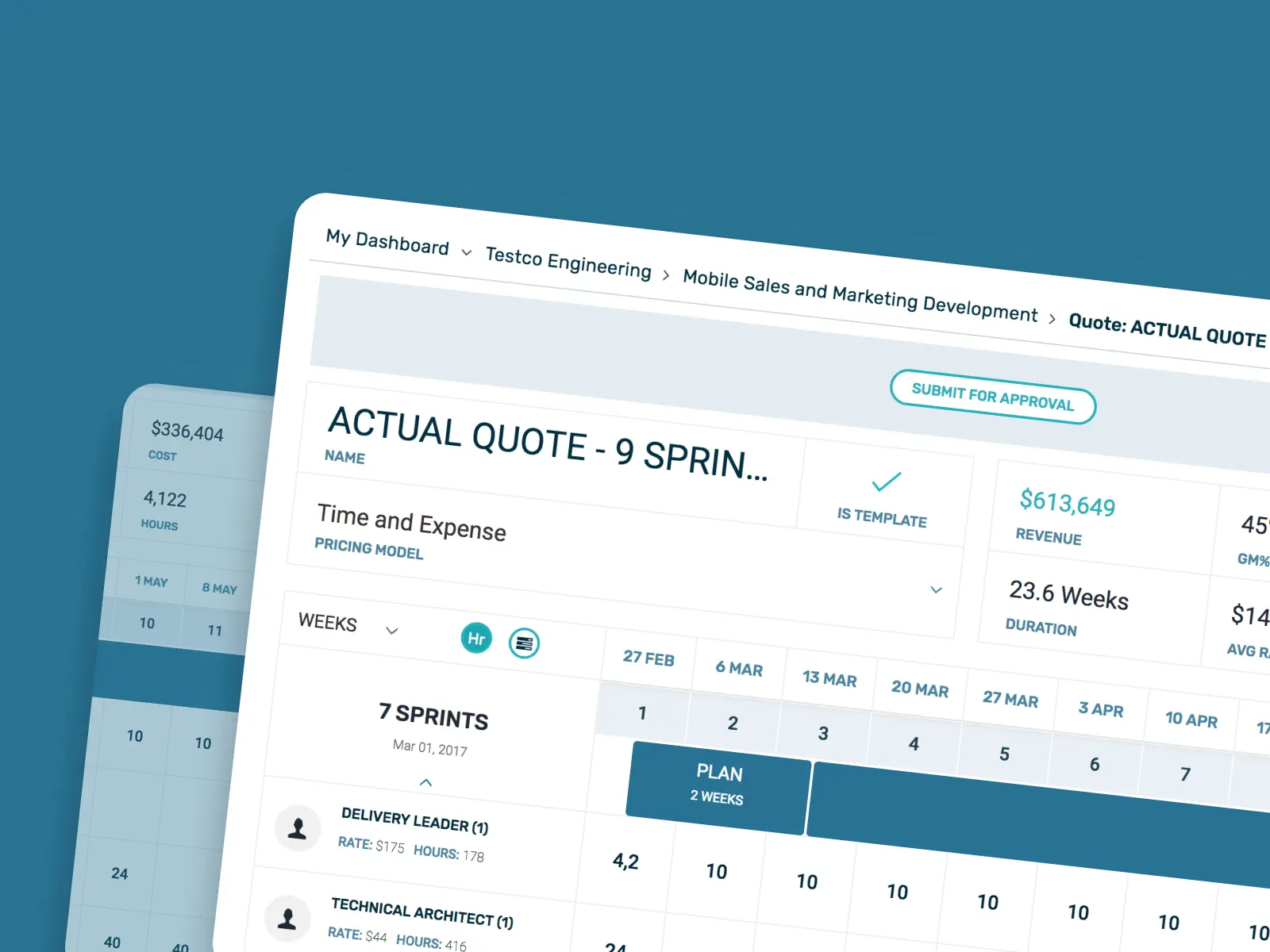
Resource planning & CPQ system
It streamlines over 90% of administrative paperwork through automation.
- Ultra-fast quoting system
- Automated document generation
- Integrated CRM
- Guided selling
- Scheduling & forecasting
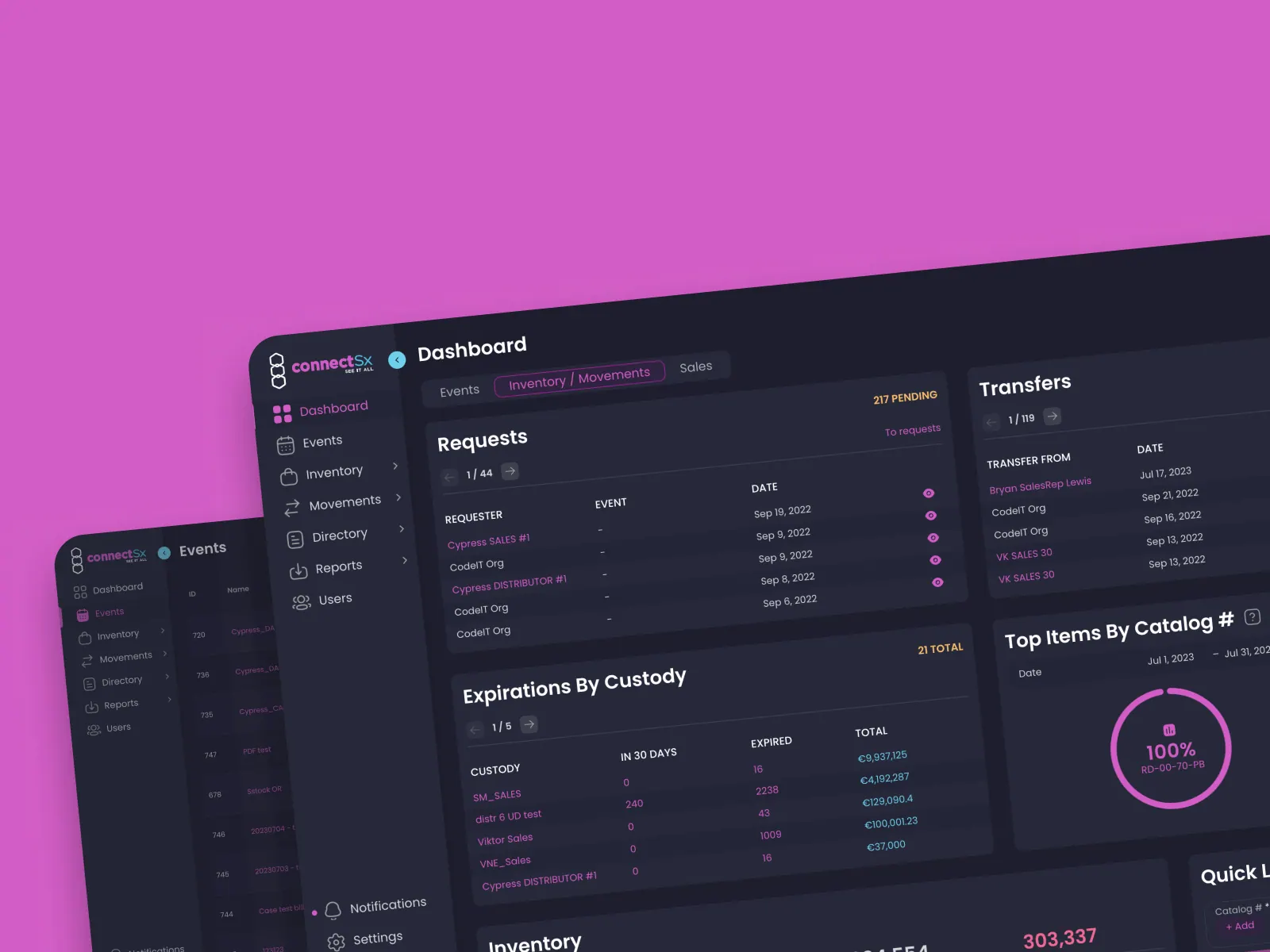
ConnectSx
The apps enable inventory tracking, management and 3rd-party data access.
- Automatic expiration tracking
- Item search and history
- Transfer request submission
- Inventory tracking
- Third-party integration
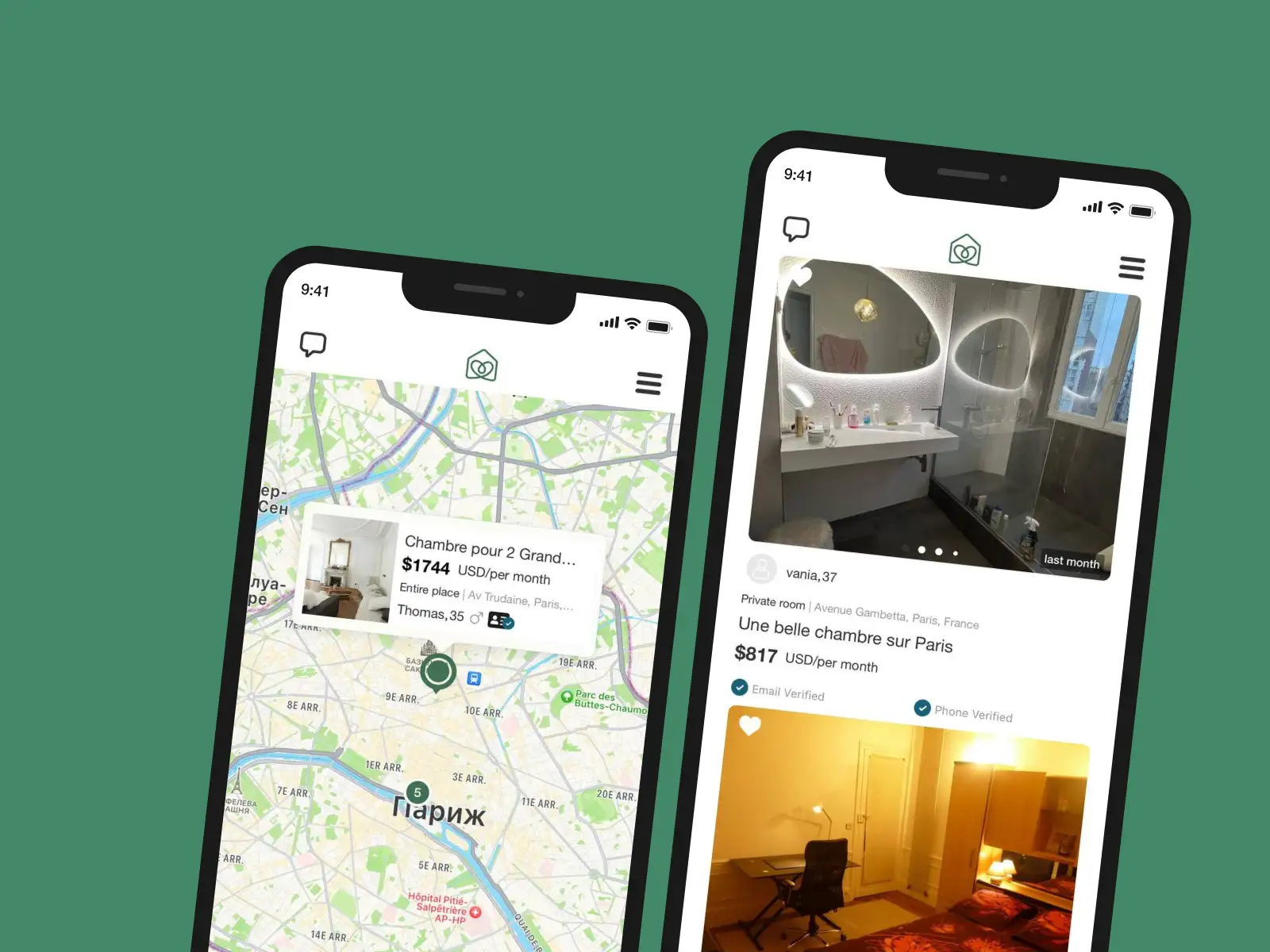
Roomster
The online portal helps list and book rooms for rent all around the globe.
- Geospatial search
- Online room booking
- Ad listing
- Custom location IDs
- Open-source data integration
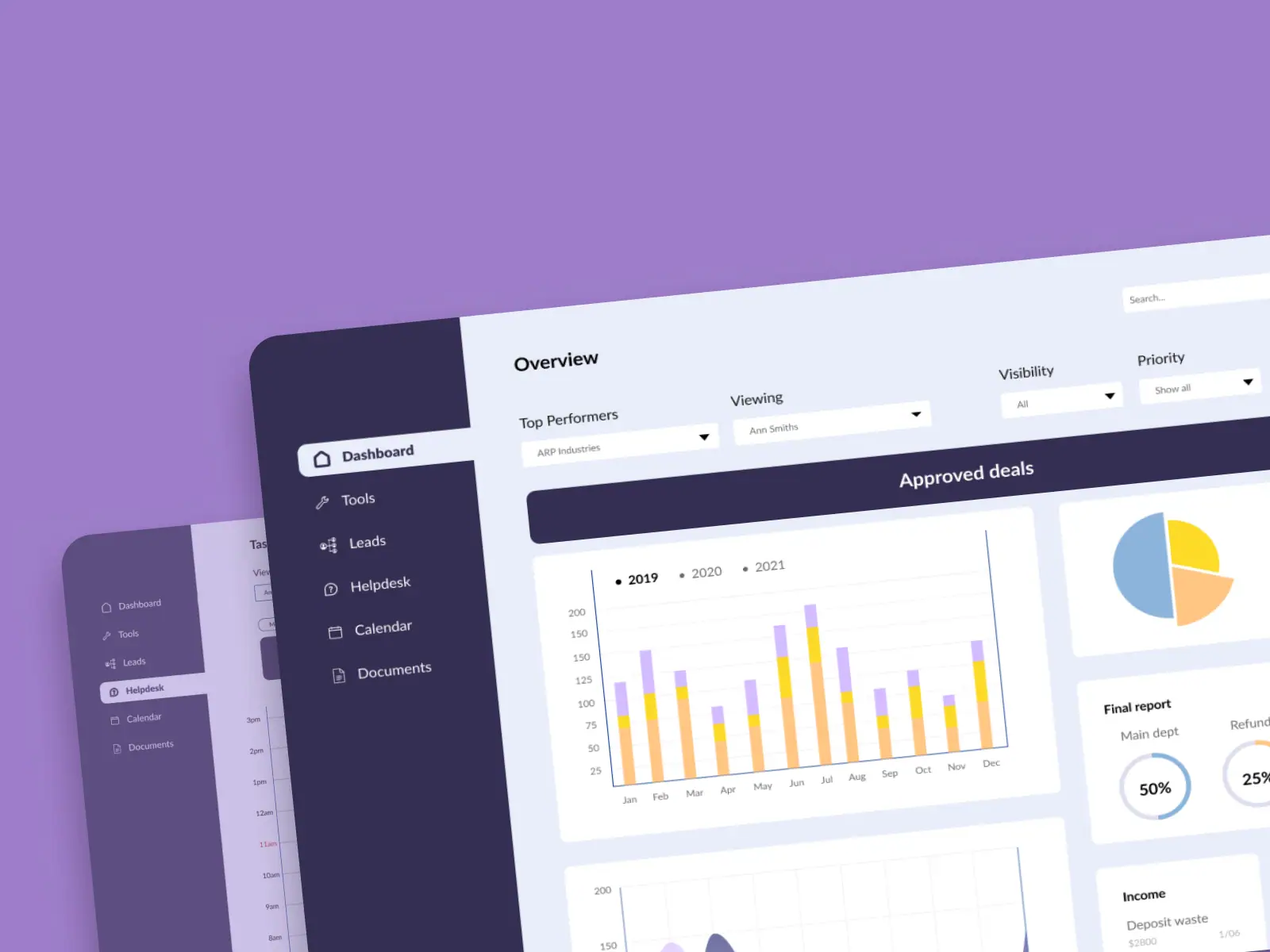
CRM system for payment processors
The app helps track leads, appointments, tickets, and commissions, etc.
- Lead management
- Safe email practices
- Voice command recognition
- Task management
- Calendar integration
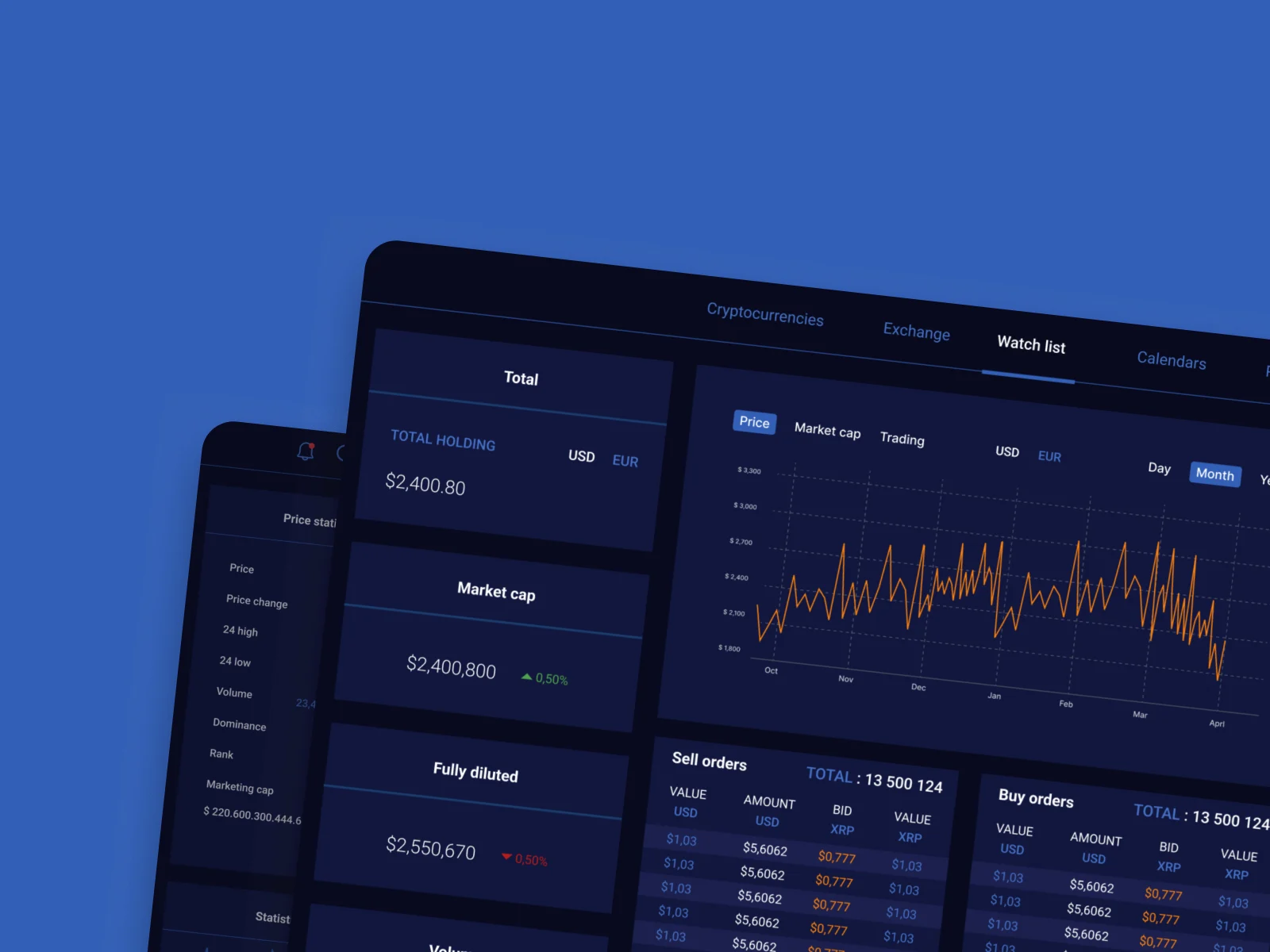
Stock monitoring and trading dashboard
It comprises features for real-time stock monitoring and data analysis.
- Real-time stock monitoring
- Historical trading data analysis
- Portfolio management
- Price change forecasting
- Multiple workspaces






FAQ
No. AI can support repetitive QA tasks, but QA engineers remain responsible for test strategy, review, risk judgment, and release sign-off.
No. AI-generated test artifacts are reviewed, executed, and validated before they are accepted into the QA workflow.
Yes. CodeIT can work with your existing test management, CI/CD, reporting, and automation tools where possible.
No. CodeIT provides traditional QA services, automation testing, performance testing, and AI-augmented QA where appropriate.
We support functional testing, non-functional testing, regression testing, automation testing, API testing, accessibility checks, performance testing, and release validation.
QA impact can be measured through test coverage, defect trends, regression duration, automation coverage, release readiness, and production issue patterns.
Yes. CodeIT can help establish QA processes, define coverage priorities, set up testing practices, and provide QA specialists for ongoing delivery support.
Recurring defects, slow regression cycles, or failing performance tests often trace back to system design. In that case we recommend an architecture assessment before adding more tests.
Validate Quality Before Your Next Release
Build a QA process that keeps delivery fast, controlled, and measurable — with human ownership at every critical step.