
AI Governance Consulting
Ship AI without stalling in legal review. Approved tooling, documented controls, and audit evidence your reviewers can check for themselves.

Business First
Code Next
Let’s talk
Governance is what lets AI leave the pilot stage
AI governance consulting turns policy intent into controls people can follow. Who approves a model, what data it may touch, what gets logged, and who answers when the output is wrong.
Most programs stall in review because the answers live in someone’s head rather than in a document. This work produces the document, the approval path, and the evidence behind both. It sits under AI Strategy Consulting once priorities are set.
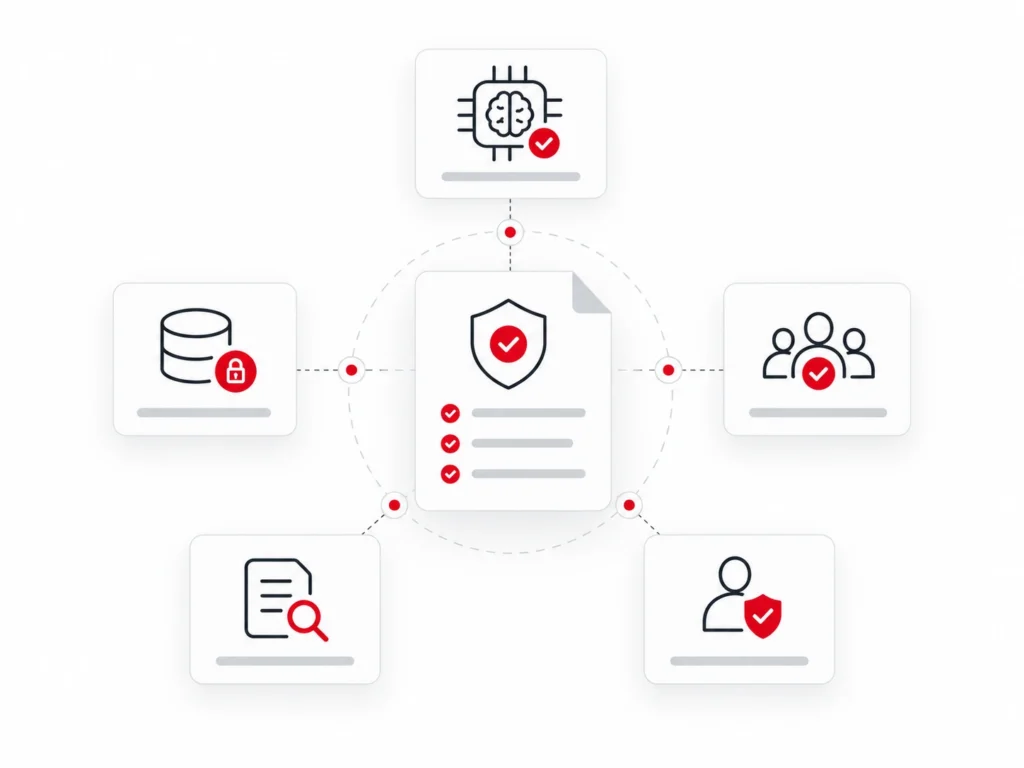
AI governance services
What you get
Approved Tooling List
AI governance services start with what people may actually use, named tool by tool, with the reason each one passed or failed review.
- Tool-by-tool decisions
- Data handling per tool
- Review date recorded
Approval Path
Who signs off a model going live, at what risk level, and how long that decision takes when everyone does their part.
- Risk tiers defined clearly
- Named approvers per tier
- Target decision time
Model Oversight Rules
How models are monitored after launch: what is logged, who reviews it, and what triggers a rollback rather than a discussion.
- Logging requirements
- Review cadence agreed
- Rollback triggers named
Data Boundaries
Which data classes may reach which systems, written so an engineer can apply the rule without asking legal every time.
- Data classes mapped out
- Allowed destinations
- Retention and deletion
Audit Evidence
AI governance services produce these as work happens: the artefacts a reviewer asks for, rather than a reconstruction the week before an audit.
- Evidence list per control
- Owner for each artefact
- Where each item is stored
Incident Response
What happens when a model produces something harmful or wrong: who is told, how fast, and what gets recorded about it.
- Severity definitions
- Notification timelines
- Post-incident review
Get the controls written before the next review.

Business First
Code Next
Let’s talk
AI compliance consulting
Rules differ by sector and by where your data sits. AI compliance consulting maps the ones that actually bind you, then turns them into controls.
Which of your systems fall into a regulated risk class, and what that class requires in documentation, human oversight, and transparency. Obligations phase in by class, so timing matters as much as content.
Where a model influences a decision about a person, the lawful basis, the transparency duty, and the right to human review all apply. Most teams discover this after the build.
HIPAA, SOX, PCI DSS, and financial conduct rules each constrain AI differently. The constraint usually lands on data movement and record-keeping rather than on the model itself.
Where inference happens and where prompts are stored decide whether a use case is legal in your jurisdiction. This gets checked before architecture, not after it.
What your model provider does with inputs and how long they keep them. AI compliance consulting checks those terms against the commitments you made to your own customers.
Compliance is judged on records, not on intentions. AI data governance consulting work here defines which records are kept, by whom, and for how long.
Responsible AI consulting
Principles are easy to publish and hard to apply. Responsible AI consulting turns each one into a check somebody performs.
Bias Testing That Runs
A test set with protected attributes and an agreed threshold, run on a schedule. A one-off fairness review before launch proves little.
Explainability Where It Counts
Not every model needs to be explainable. The ones affecting access to money, care, or employment do, and that decides the architecture.
Human In The Loop
Where a person must review before action, defined by consequence rather than by comfort, with the time that review takes budgeted.
Transparency To Users
What people are told when they interact with a model, and what they can do about a decision they disagree with afterwards.
Escalation That Works
A route for staff to flag bad output that does not depend on goodwill, and someone accountable for acting on what comes in.
Documented Trade-Offs
Where accuracy was traded against cost or speed, the reasoning is recorded, because that is the first question an auditor asks.
Review After Launch
Responsible AI consulting is worth little as a one-time exercise. Controls carry review dates and owners, or they decay quietly.
How the engagement runs
Four phases. An AI governance consulting scope depends on how many systems and regulators are in play, and both get agreed first.
System inventory
Finding every model already in use.
Including the ones nobody registered. Shadow usage is normal, and a control set that ignores it protects nothing at all.
- AI systems and tools in use are listed, including unsanctioned ones
- Each one is tied to a business owner and to a data class
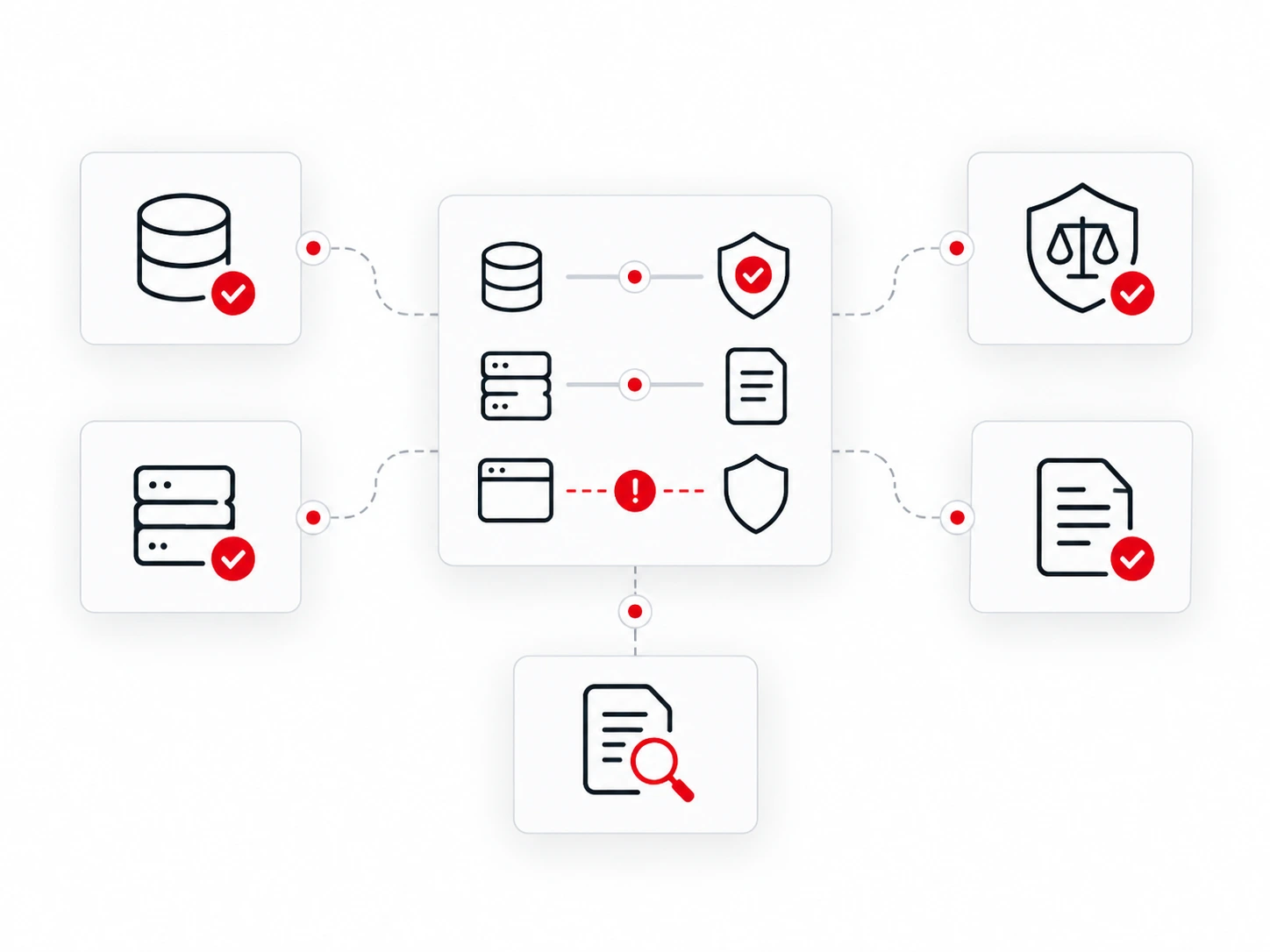
Exposure mapping
Matching systems to the rules that bind them.
Each system is placed against the regulations, contracts, and customer commitments that actually apply to it.
- Gaps are recorded with the evidence behind each finding
- Regulatory and contractual obligations are listed per system
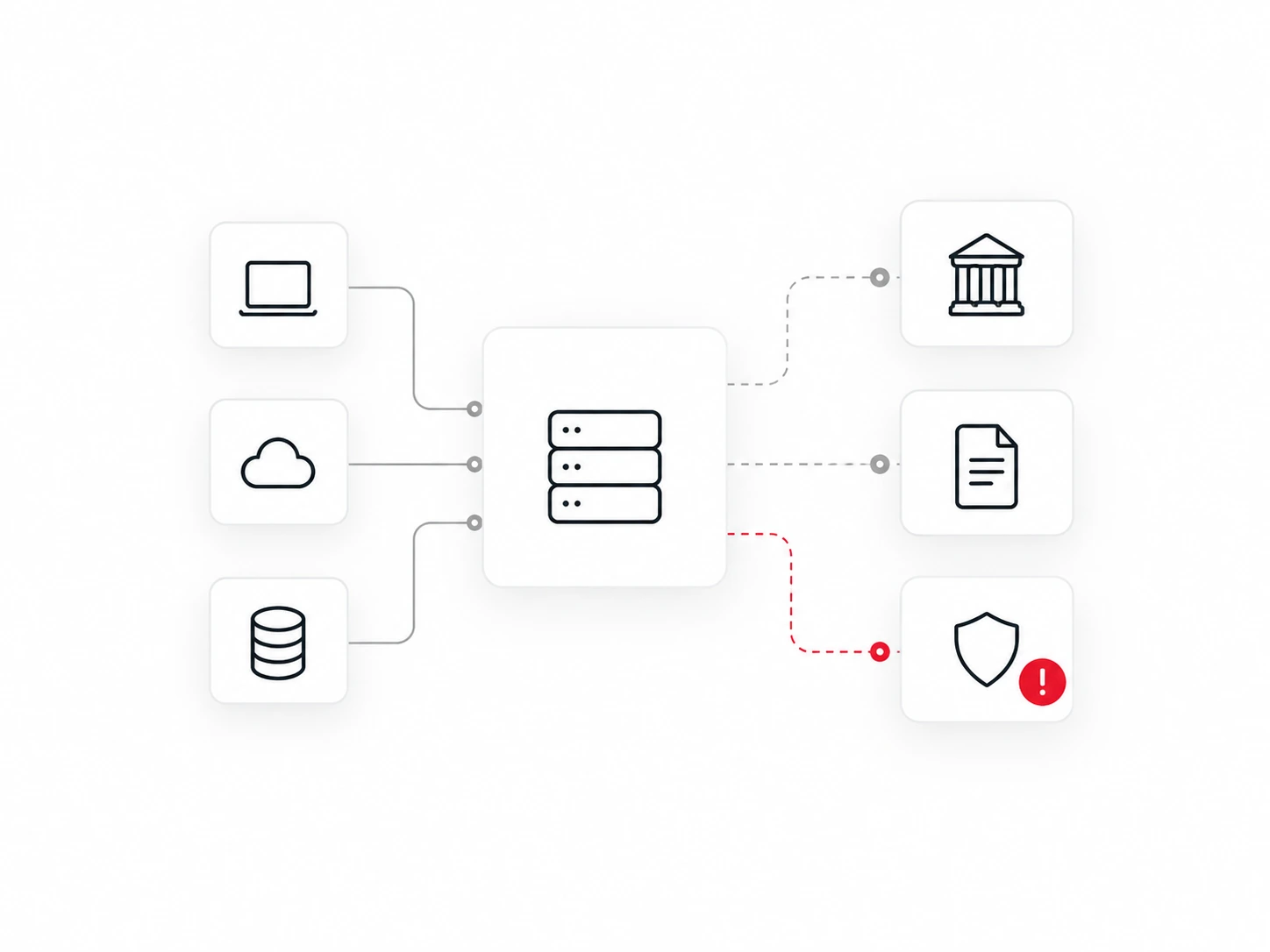
Control design
Writing rules people can follow.
Controls are drafted with the teams who will apply them, then tested against a real request to see whether they hold up.
- Each control names an owner, a trigger, and an artefact
- Draft rules are tested on a live use case before being signed off
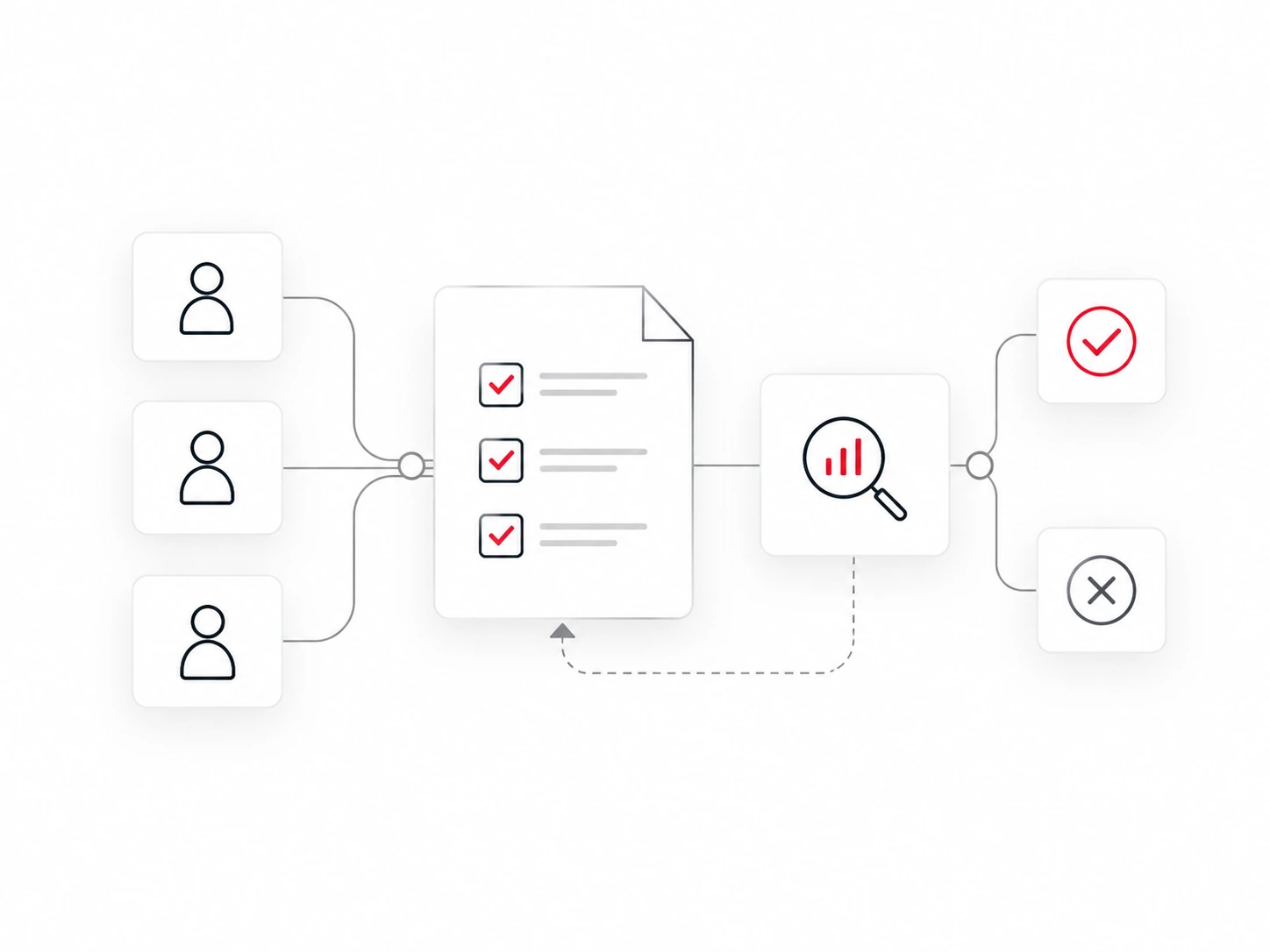
Handover
Making the controls operable without us.
Templates, the evidence register, and the approval path transfer to your team, with the first review cycle run together.
- The evidence register and the templates transfer to you
- The first approval cycle is run jointly, then handed over
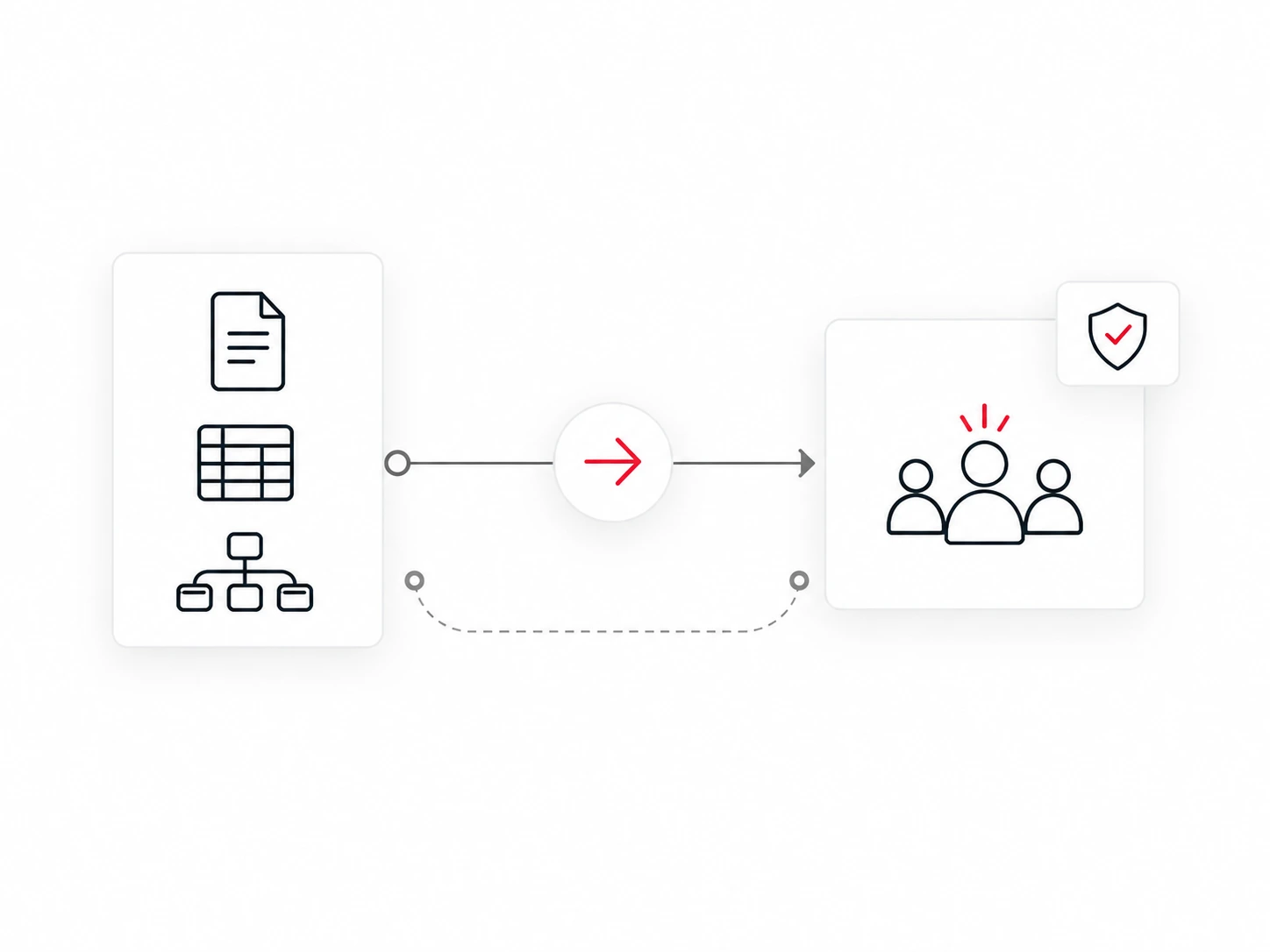
What governance work prevents
None of this is interesting until something goes wrong, which is exactly the problem. The six failures below are the ones that actually stop AI programs, and each has a control behind it.

Shadow AI Usage
Staff stop routing work through unapproved tools once an approved list exists and is actually usable for their real jobs.

Legal Review Deadlock
Requests stop queueing behind one reviewer once risk tiers and named approvers exist, with a target decision time attached.

Contract Breaches
Commitments made to your own customers get checked against what model vendors do with inputs, before anything is signed.

Audit Scramble
Evidence accumulates as work happens, so an audit request becomes a retrieval task rather than a two-week reconstruction.

Silent Model Drift
Monitoring and review dates mean quality decay gets caught by a control rather than by an unhappy customer complaint.

Unowned Incidents
When output causes harm, the response path already exists, including who is told, how quickly, and what gets recorded.
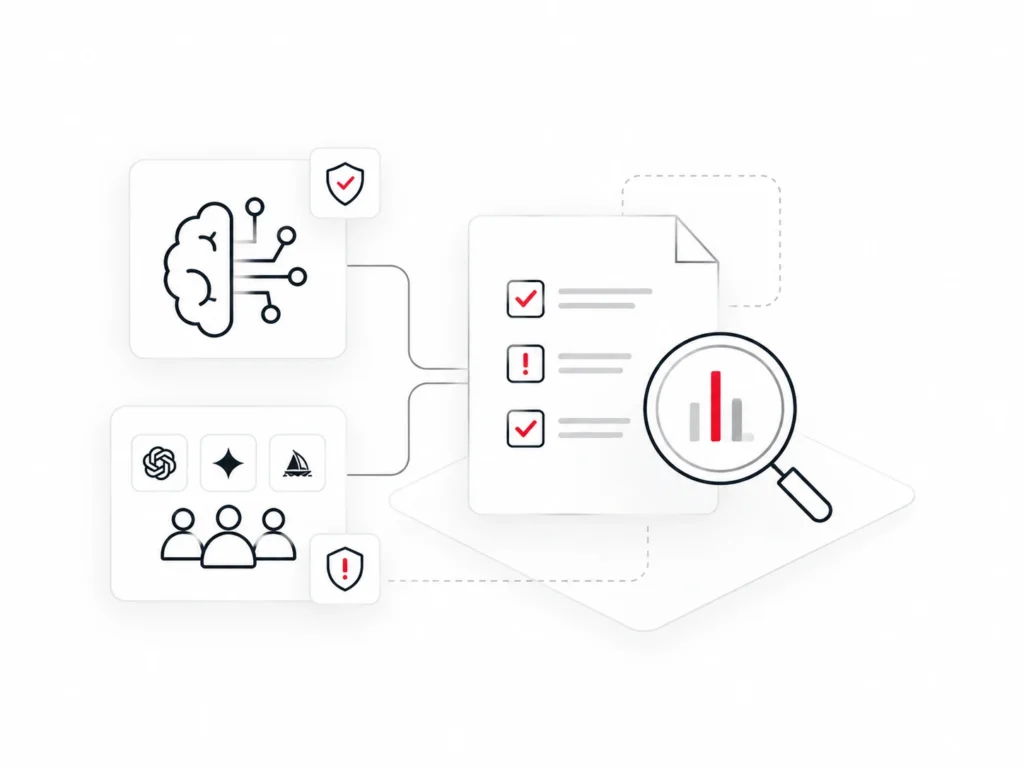
Where governance work turns into an audit
Two engagements go deeper than policy. An LLM security audit examines how your language-model systems handle prompts, access, and data leakage in practice.
A secure AI usage audit looks at what staff actually do with AI tools day to day, which is where most exposure sits. Either can follow this work, or run before it when the exposure is already known.

See what your data can support before you fund it
Business First
Code Next
Let’s talk
Related engagements
What sits above, below, and beside an AI governance consulting engagement.
AI Strategy Consulting
The hub engagement, for when the question is which AI initiatives to fund rather than how to control the ones you have.
LLM Security Audit
A technical review of prompt handling, access control, and data leakage across your language-model systems.
Secure AI Usage Audit
A review of how staff actually use AI tools day to day, and what leaves the organisation as a result of it.
Readiness Assessment
A verdict on data, platform, and team readiness, before controls get designed around systems that may not exist yet.
FAQ
An approved tooling list, risk tiers with named approvers, model oversight rules, data boundaries, and an evidence register. All written so engineers can apply them without raising a legal ticket for every decision, and all of it transfers to your team.
Most of the work is useful regardless. Inventory, data boundaries, and approval paths are needed for contracts and customer commitments too. What changes with regulation is the depth of documentation and which classes of system attract obligations.
Usually the part between the policy and the work. Policies say what must be true. Controls say who does what, when, and what they leave behind as proof. If nobody can name the artefact showing a rule was followed, the rule is not operating.
It slows the first few requests and speeds up everything after. Most delay in AI delivery comes from unclear approval rather than from strict rules. A tiered path lets low-risk work proceed without a full review each time.
No. AI tools used on CodeIT engagements run with training disabled and sensitive artifacts excluded, inside an ISO 27001-certified information security management system. Client code, documents, and data do not train external models.
Yes. Controls are documented in the format your auditors already accept. The evidence register is built to answer their requests directly, rather than needing translation first.
Start with an
AI readiness assessment,
not a pilot
Bring the AI system that is stuck in review.