
Infrastructure & Cloud Security Audit
We assess your servers, networks, cloud environments, and access controls to find the misconfigurations, exposures, and weak points that lead to ransomware, outages, and breaches — then help you close them.



Business First
Code Next
Let’s talk
What we assess
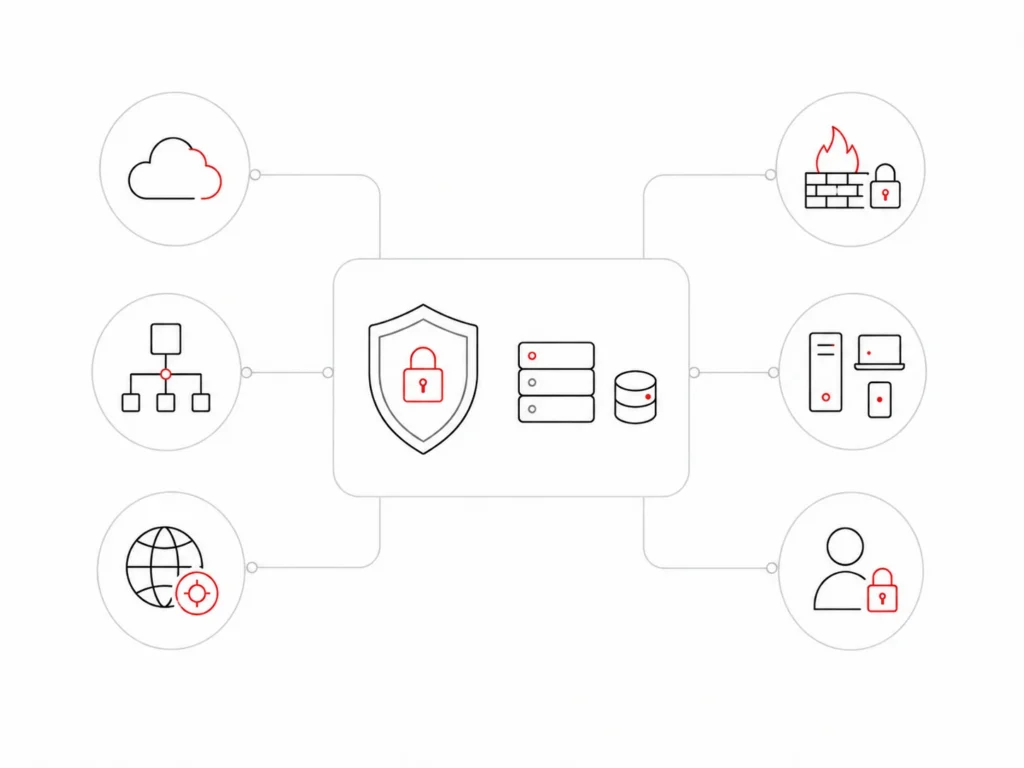
- Internal & external infrastructure
- Cloud environments (AWS, Azure, GCP)
- Network architecture & segmentation
- Firewall & VPN configuration
- Server & endpoint security
- Hardening & patch management
- Access controls & privileged accounts
- Internet-facing exposure
What you get
Map of critical weak points
The specific issues through which attackers could halt operations or take control of your network.
Prioritized remediation plan
Ordered by real-world risk, not raw severity scores.
Compliance-mapped findings
mapped against ISO 27001, NIS2, DORA, and CIS Controls, showing where you stand and what’s left to close the gap. Benchmarks, and cloud provider best practices, ready for your auditors.
Who it’s for

Medium and large organizations
For organizations with complex infrastructure, multiple systems, and broader security responsibilities.

Compliance preparation
For teams preparing for compliance reviews or certification audits.

Hybrid and multi-cloud environments
For companies operating across on-premise infrastructure and multiple cloud platforms.

Ransomware and exposure concerns
For organizations concerned about ransomware risk or weaknesses in their infrastructure.
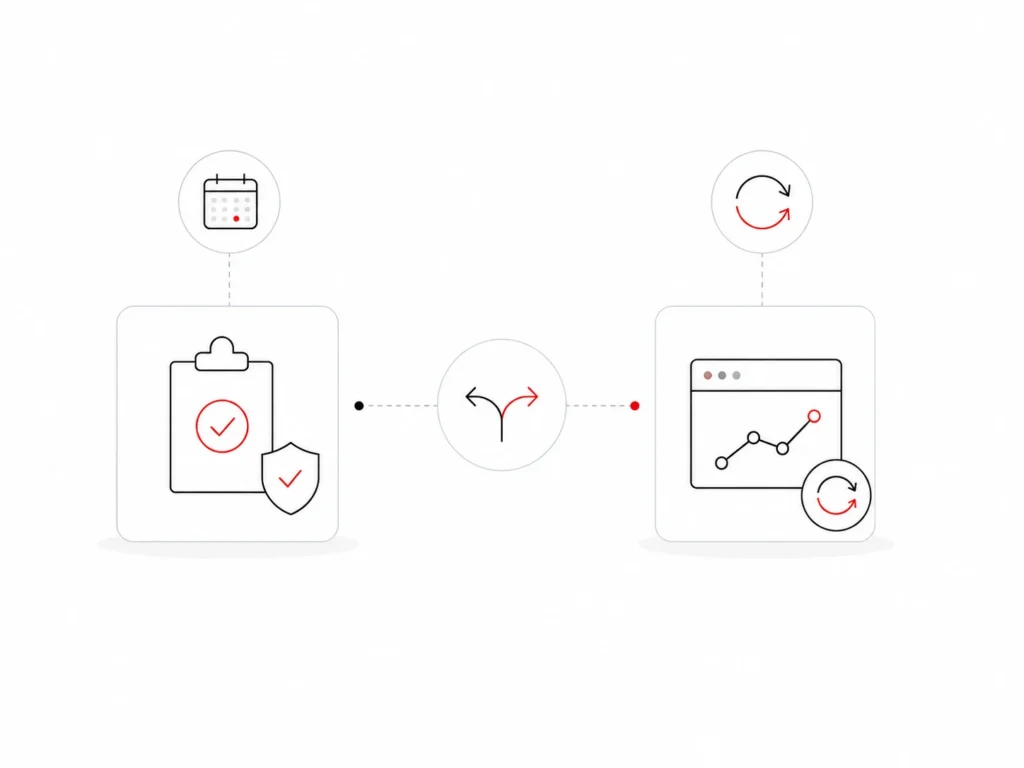
One-time or continuous — your choice
Need it once (before an audit, after an incident, following a migration)? We deliver a full assessment with a fixed scope and price. Want it always current?
Upgrade the audit into a monthly subscription — see Continuous Threat Exposure Management.
FAQ
The audit is planned to minimize operational impact. Review activities, validation methods, access requirements, testing windows, and any restrictions are agreed before the assessment begins.
40 – 80 hours
The timeline depends on the number of environments, systems, cloud accounts, network segments, and locations included in scope. A delivery schedule is provided after scoping.
Both. The assessment can cover on-premise infrastructure, cloud environments such as AWS, Azure, and GCP, or hybrid and multi-cloud environments.