
Penetration Testing Services
We attack your web apps, APIs, mobile apps, and SaaS platforms the way a real adversary would, then show you exactly what’s exploitable, what it means for your business, and how to fix it.



Business First
Code Next
Let’s talk
When you need a penetration test
- Before a major release — catch exploitable flaws before your customers (or attackers) do.
- For compliance — PCI DSS, SOC 2, ISO 27001, HIPAA, NIS2, and DORA all expect regular penetration testing.
- To win enterprise deals — a strong pentest report is now standard in vendor security reviews. Don’t let a security questionnaire stall your sales cycle.
- After significant changes — new features, architecture changes, cloud migrations.
What we test
Web applications
Injection, broken access control, session flaws, and misconfigurations are probed — covering OWASP Top 10 and beyond.
APIs
REST, GraphQL, and SOAP endpoints are assessed for broken authorization, data exposure, weak authentication, and rate-limiting gaps.
SaaS platforms
Multi-tenant isolation, role-based permissions, and data segregation are evaluated, confirming one tenant cannot access another’s data.
Mobile applications (iOS/Android)
Insecure storage, weak encryption, hardcoded secrets, and flawed client-server communication are analyzed on iOS and Android.
Authentication & authorization logic
Login flows, session management, MFA, and token handling are tested to expose authentication bypasses and privilege escalation.
Business logic abuse
Workflow and transaction flaws automated tools miss are identified — how attackers manipulate pricing, quotas, and approvals.
What makes our pentests different
- Manual, senior-led testing. Automated tools give coverage; our engineers find what tools can’t — chained exploits, business logic flaws, broken access control (the vulnerabilities scanners consistently miss).
- Proof, not guesses. Every finding includes evidence of exploitability and realistic attack-path context. No false-positive noise.
- A report both your CTO and your auditor will love. Executive summary, risk-ranked findings (CVSS), remediation steps, and a compliance-ready attestation letter.
- Free retest included. Fix it, and we verify it — at no extra cost.
- Recognized methodology. OWASP Testing Guide / ASVS, OWASP API & Mobile Top 10, PTES, NIST SP 800-115. Testers hold [OSCP / CREST / relevant certs].
How it works
Scoping (1–3 days)
We align on targets, depth, and rules of engagement before any testing begins. This stage defines:
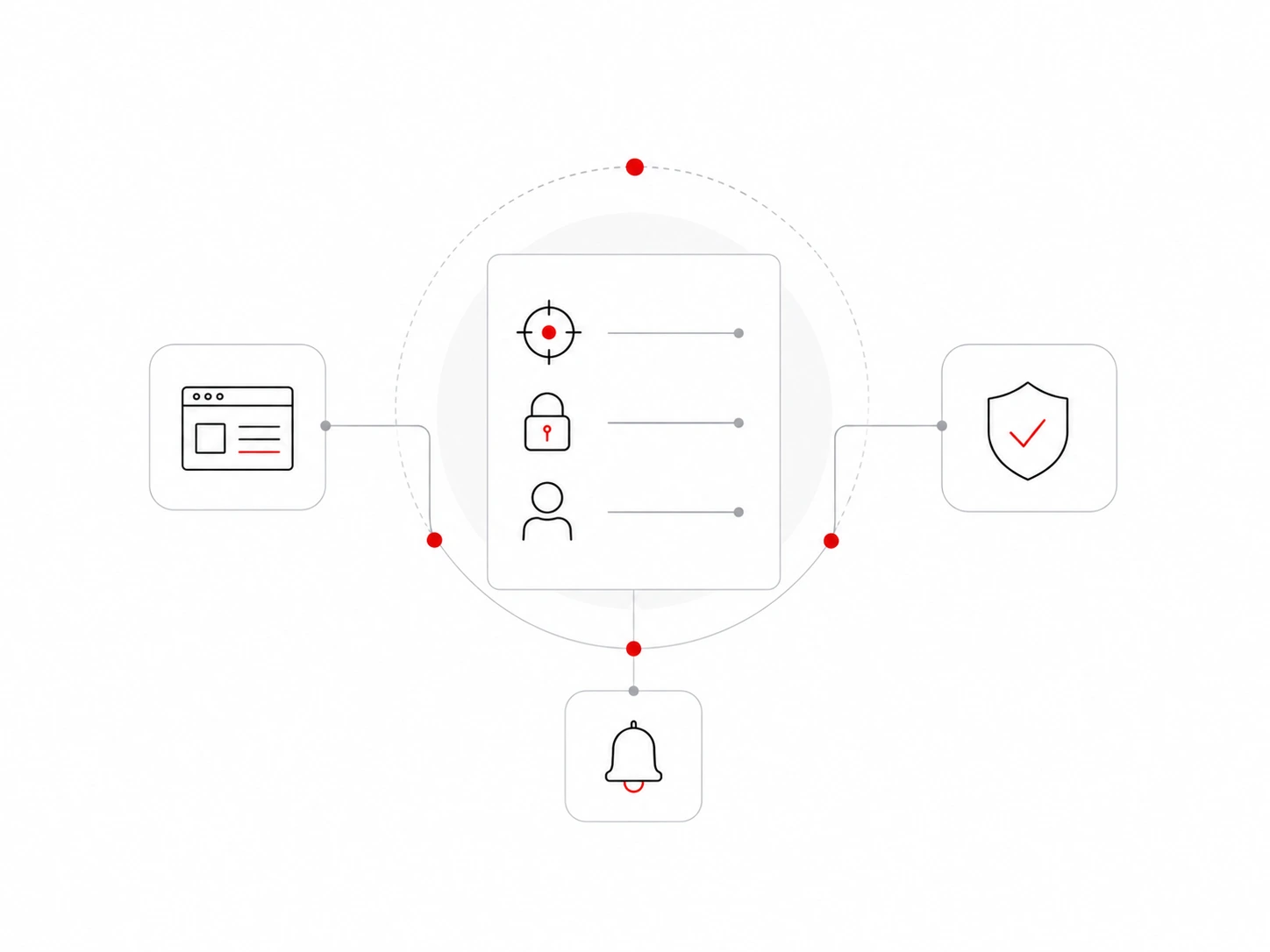
- Timing windows, points of contact, and escalation paths for critical findings
- Assets in scope (applications, APIs, environments) and any exclusions
- Testing type — black-box, grey-box, or white-box — and access requirements
Testing (1–3 weeks depending on scope)
Certified testers combine manual techniques with tooling to uncover vulnerabilities that automated scans miss. Throughout this phase:
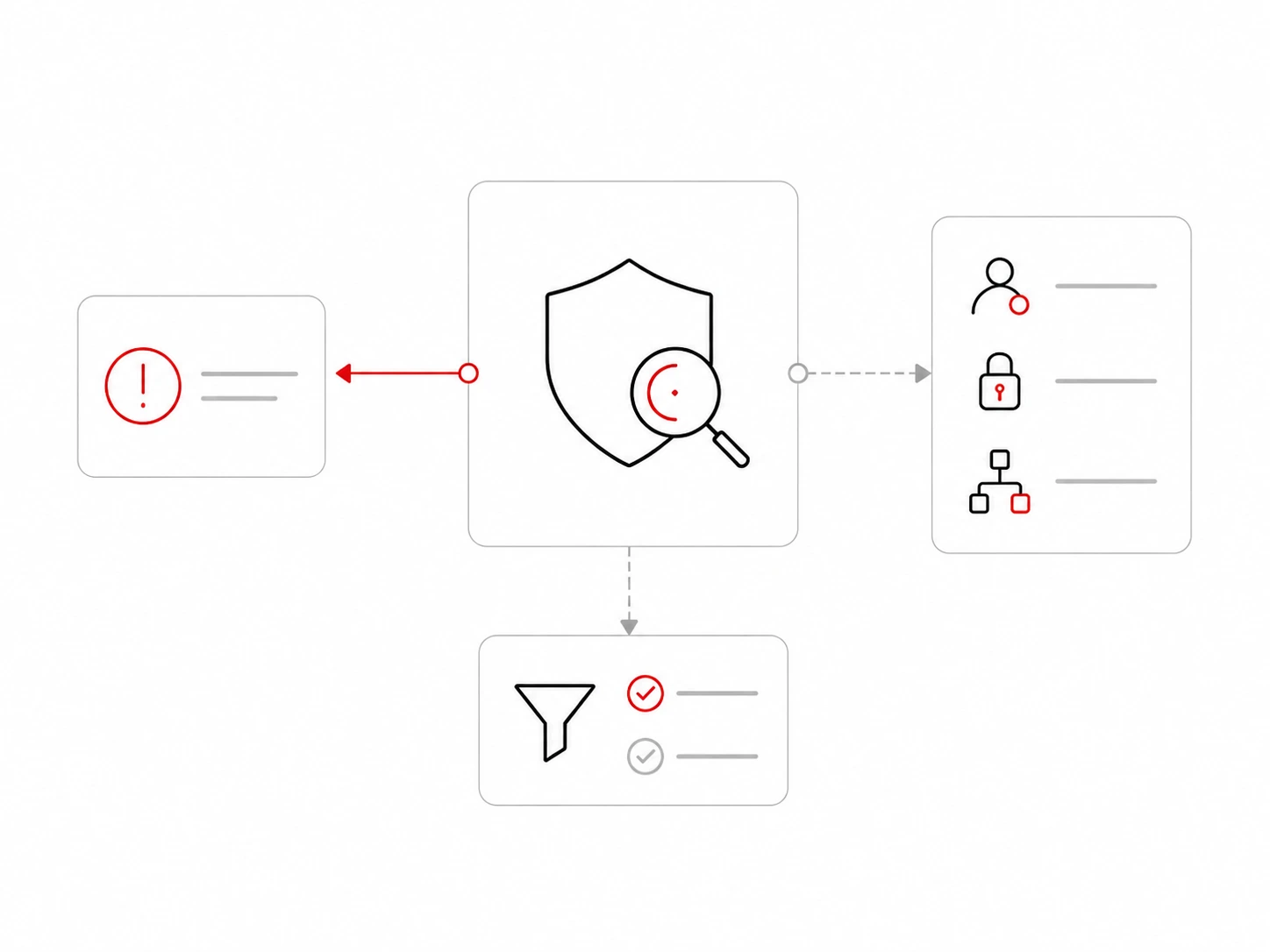
- Every finding is validated to eliminate false positives before it reaches you
- High-severity issues are reported immediately, not held until the end
- Business logic, authentication, and access controls receive deep manual review
Report & debrief call
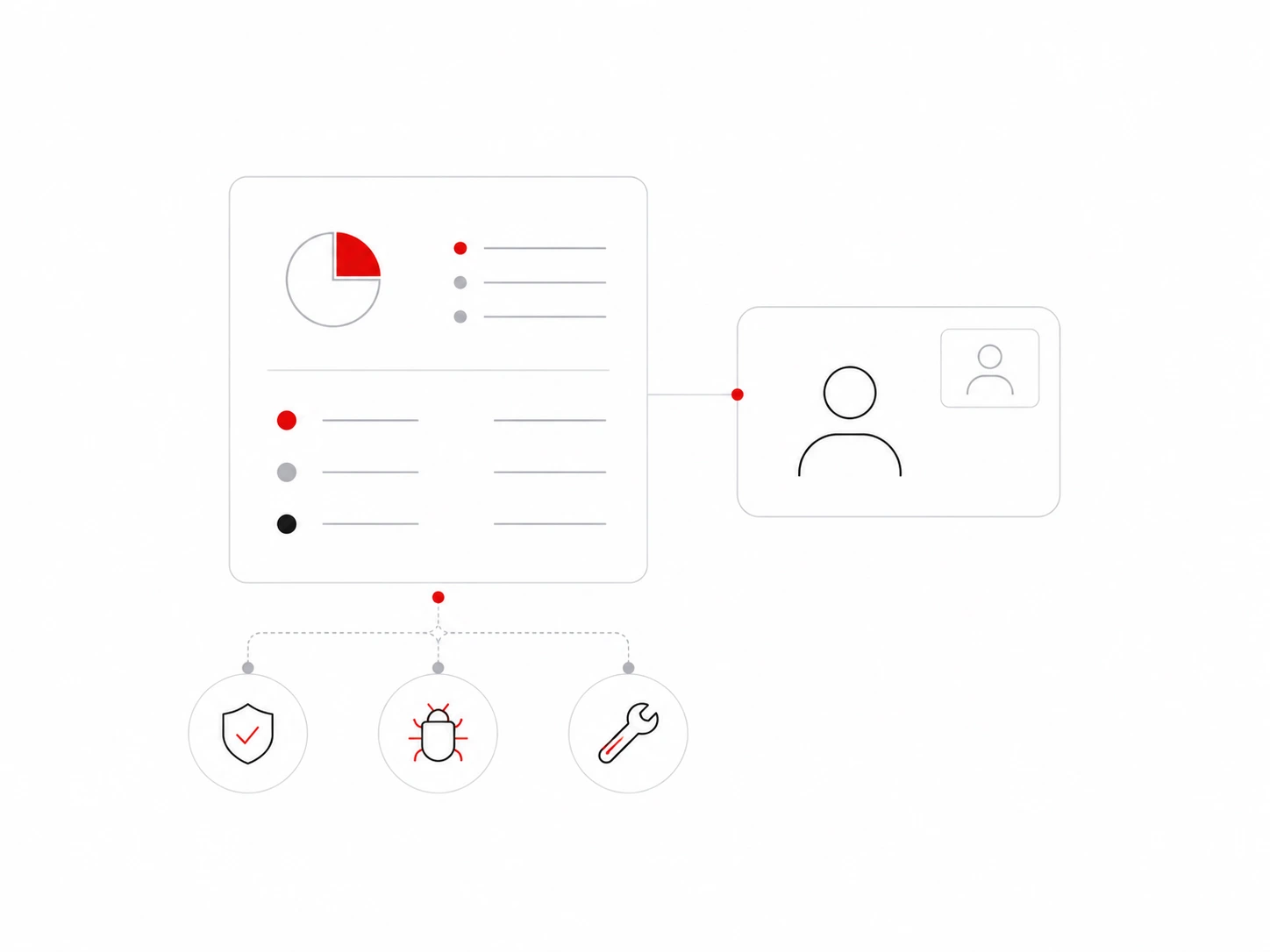
You receive a clear, prioritized report backed by a live walkthrough with the team. The deliverables include:
- Concrete remediation guidance — not just what’s broken, but how to fix it
- An executive summary for stakeholders and a technical breakdown for engineers
- Each vulnerability rated by severity and business impact, with reproduction steps
Remediation support
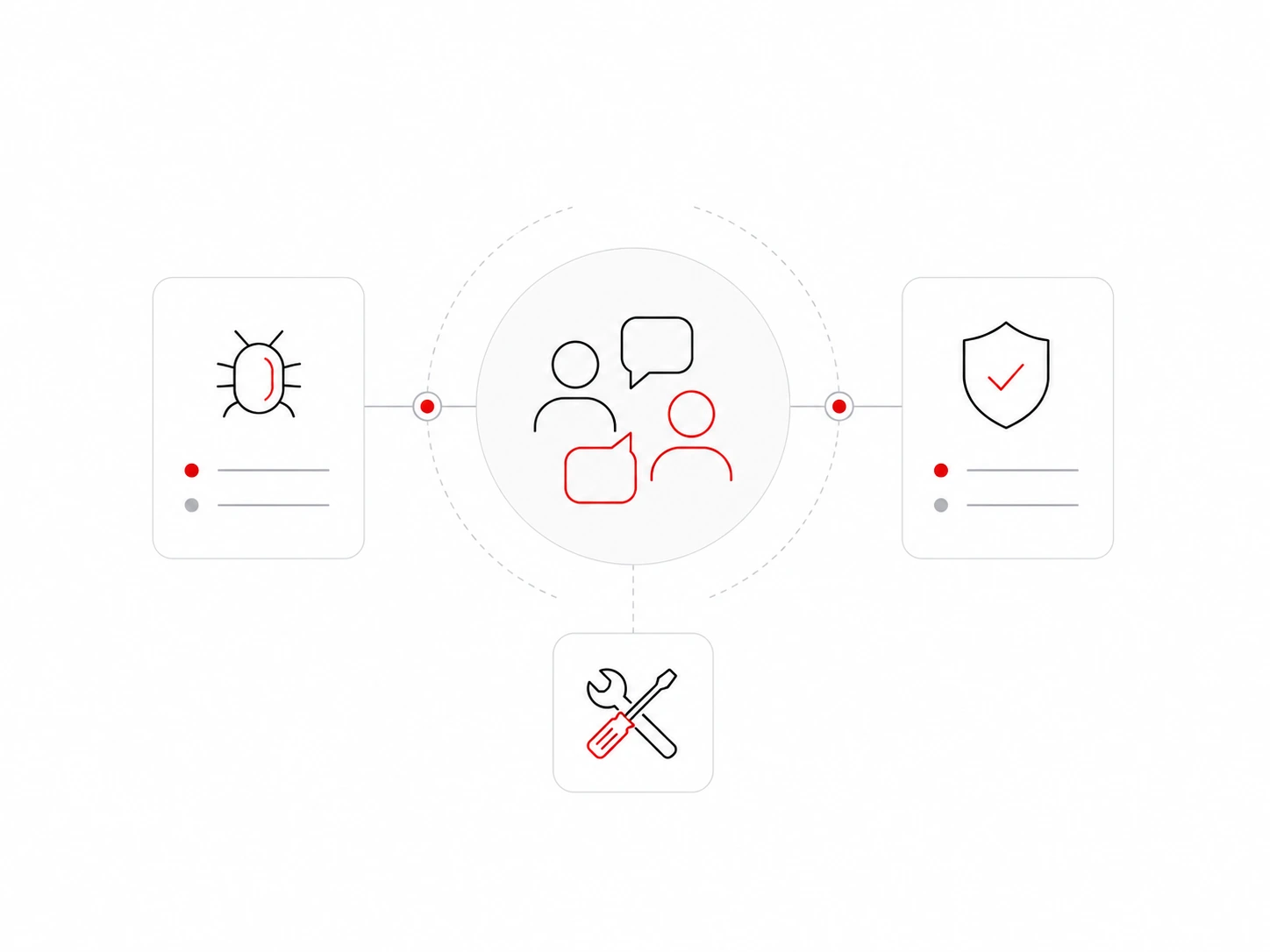
Fixing issues is where risk actually goes down, so we stay involved. During remediation:
- Guidance is tailored to your stack and constraints
- Your developers can consult our testers on fixes and mitigation approaches
- Questions about specific findings are answered directly, without a new engagement
Free retest & final attestation
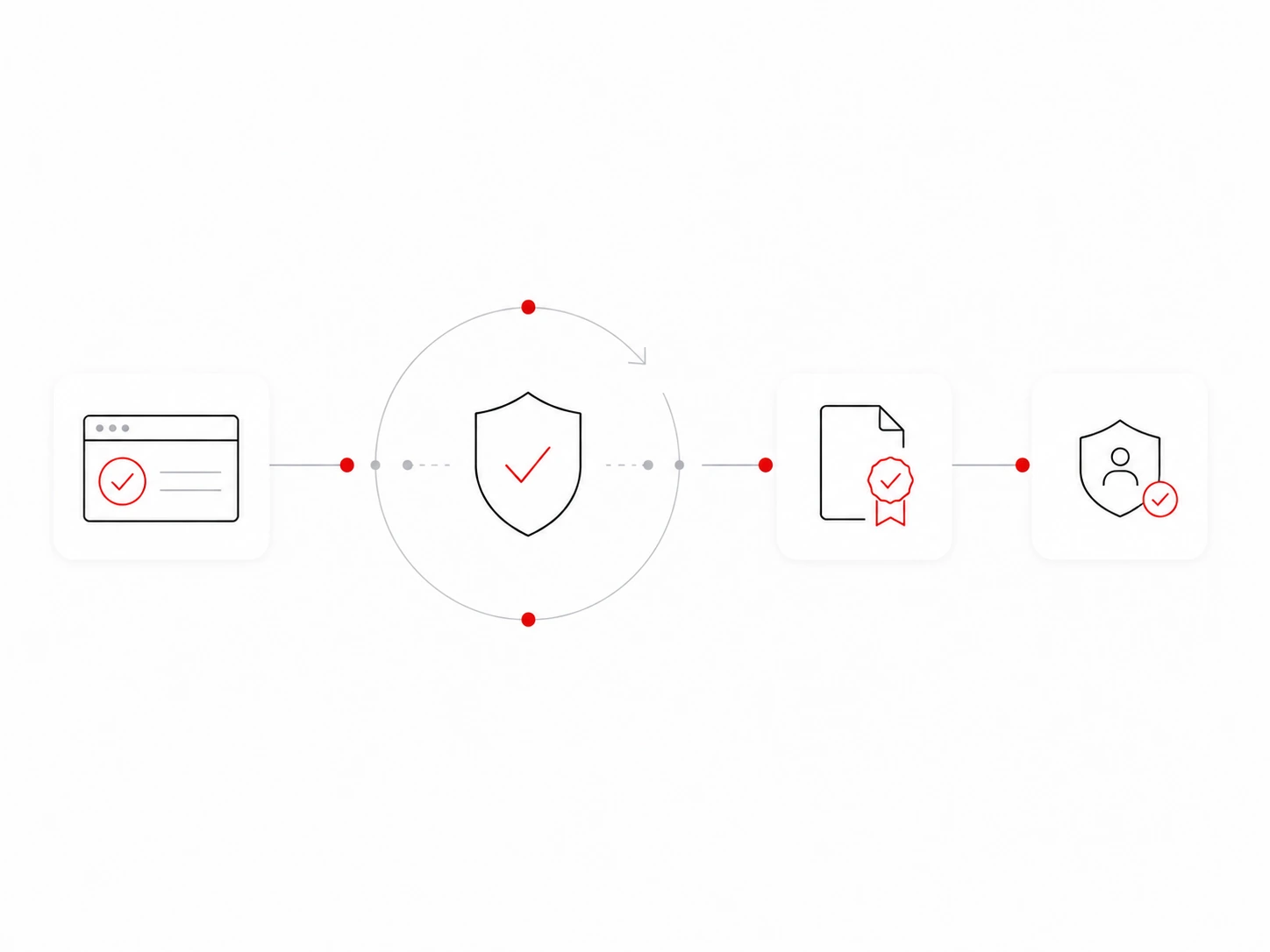
Once fixes are in place, we verify them at no extra cost and confirm the result. This final stage delivers:
- Documented proof your application was tested and hardened
- A retest of all remediated findings to confirm they’re genuinely resolved
- A formal attestation letter suitable for clients, auditors, and compliance needs
Deliverables

Full technical report
Detailed findings with severity ratings, reproduction steps, affected components, and remediation guidance — everything your engineers need to understand and fix each vulnerability.

Executive summary
A concise, non-technical overview for stakeholders and leadership, highlighting overall risk posture, key findings, and business impact at a glance.

Attestation letter for customers/auditors
Formal proof that testing was performed, suitable for sharing with clients, partners, and compliance auditors to satisfy security and due-diligence requirements.

Retest report
Verification that remediated issues are genuinely resolved, documenting the status of each finding after fixes and confirming your hardened security posture.
FAQ
Pricing depends on the number and complexity of applications, APIs, mobile platforms, user roles, integrations, and environments included in scope. After a short scoping call, we provide a fixed-price proposal based on the agreed testing scope.
A vulnerability scan is automated: it flags known issues quickly but produces false positives and misses complex flaws. A penetration test is manual and adversarial — certified testers actively exploit weaknesses, chain vulnerabilities, and probe business logic that scanners can’t reach. Scans tell you what might be wrong; a pentest proves what an attacker could actually do.
At minimum, test annually and after any significant change — new features, major releases, infrastructure migrations, or architectural updates. High-risk systems handling sensitive data or payments benefit from quarterly testing. Regular cadence keeps pace with evolving threats and code changes that introduce new attack surface.
Yes. Production testing is carefully scoped with agreed rules of engagement, timing windows, and escalation paths. Destructive techniques are excluded, and high-severity findings are reported immediately. Where risk to live systems is a concern, we can test staging environments that mirror production instead.
Yes. After the engagement, you receive a formal attestation letter confirming that testing was performed and remediated findings were verified. It’s designed to share with enterprise customers, partners, and auditors to satisfy their security and due-diligence requirements.