
Replace your SaaS — or keep it? Know before you spend a dollar
Switching off an expensive tool is a big call. Make it on data, not a vendor’s pitch. Get a free assessment that evaluates cost, fit, risk, and ROI — and tells you straight whether to replace, rebuild, or keep what you have.

Business First
Code Next
Let’s talk
Only name, email, and company are required. Budget and NDA are optional. The assessment is free — no commitment.
- Build-vs-buy analysis
- Functional fit assessment
- Cost & ROI modeling
- Risk evaluation
- Replacement feasibility
- MVP scope & estimate
Buying isn’t always the safe choice
“Just buy the SaaS” used to be the low-risk default. When the tool stops fitting, the risk quietly moves to your side.
Poor fit
You bend your process to the software instead of the reverse.
Vendor lock-in
Roadmap, pricing, and data all sit on someone else’s terms.
Scaling wall
The tool that fit at your old size can’t grow with you.
Rising cost
Renewals and seats climb faster than the value you get back.
Limited control
Features and integrations you need stay stuck in a backlog.
Hard to exit
The longer you wait, the more expensive leaving becomes.
Build vs. Buy: decide on data
We score both paths across the factors that actually drive the decision.

Buy (off-the-shelf SaaS)
- Faster to start, slower to fit
- Cost climbs with seats and renewals
- Roadmap and data on the vendor’s terms
- Limited control over features
- Payback erodes as needs outgrow the tool

Build (custom, AI-assisted)
- Built around your actual workflows
- Higher upfront effort, better long-term TCO
- Full control over data and roadmap
- Ships in 10–14 weeks with AI-assisted delivery
- ROI compounds as the system fits you exactly
How the assessment works
A short, structured review — free, no obligation. A clear recommendation at the end.
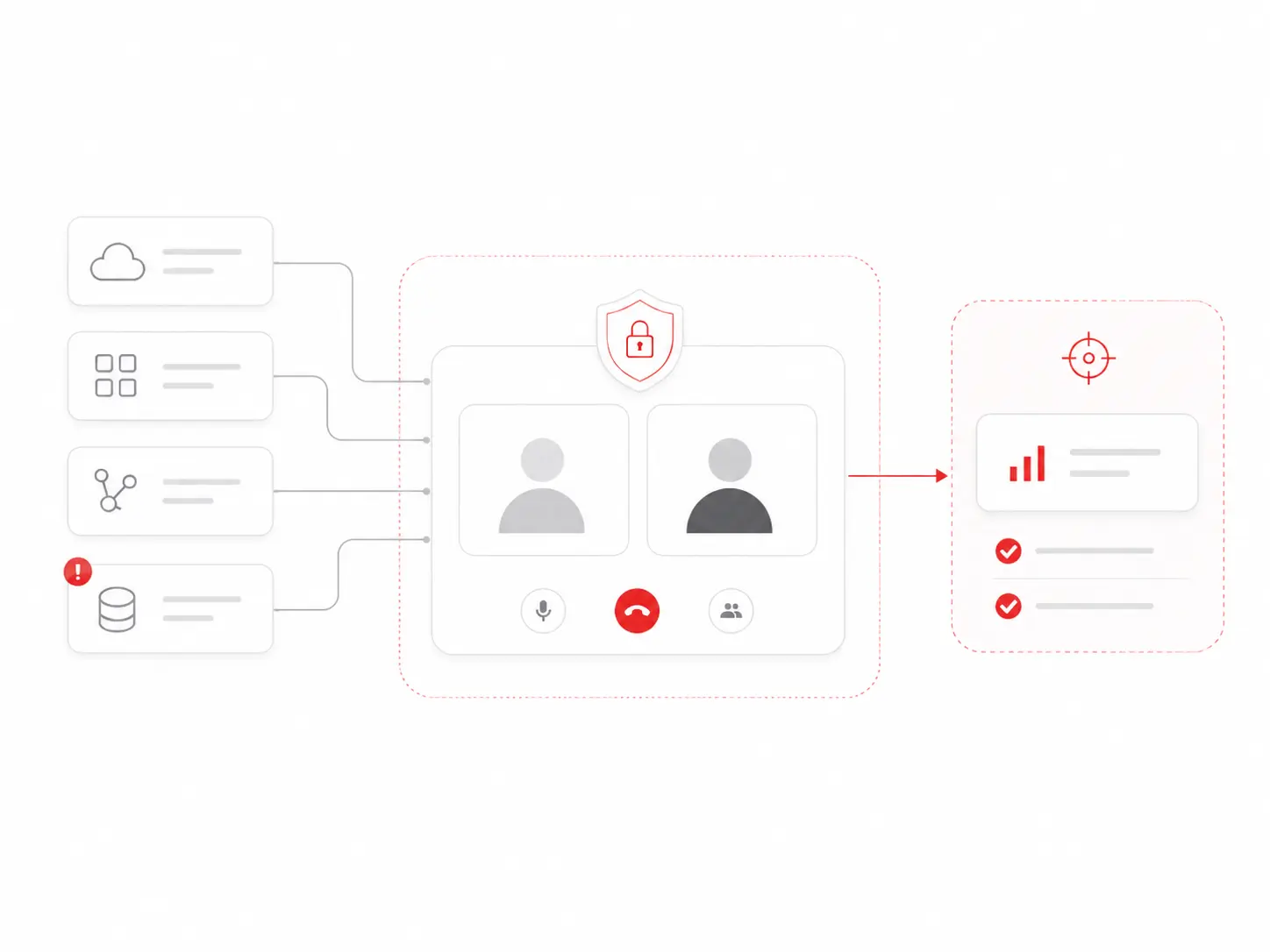
Intro call
We start by signing an NDA, so you can speak openly about your stack and your numbers. Then we map the current setup: which SaaS you run, what each tool is supposed to do, and the exact points where it stops fitting your business. No preparation needed on your side — just bring the tool you’ve been questioning and the frustration behind it.
This call sets the scope. The rest of the assessment stays focused on the decision that actually matters to you, instead of a generic audit of everything.
Fit & cost analysis
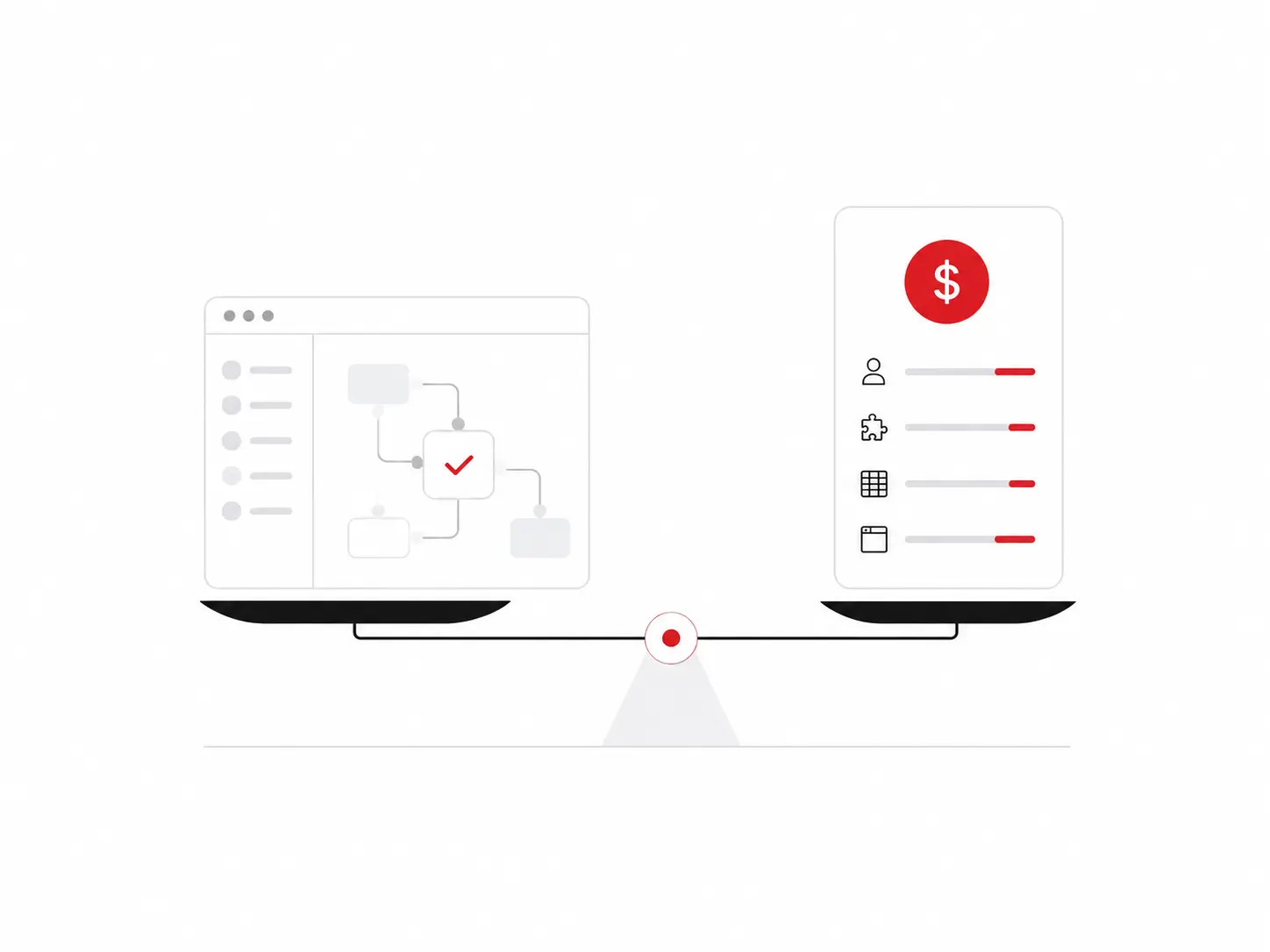
Next we look at two things together: how well the tool matches how your team actually works, and what it truly costs you. The cost side goes well beyond the subscription line:
- Extra tools bought to do what the main SaaS can’t
- Seats and tiers you pay for but don’t fully use
- Add-ons, integrations, and support fees stacked on the base price
- The spreadsheets and manual workarounds built to cover the gaps
Risk & feasibility
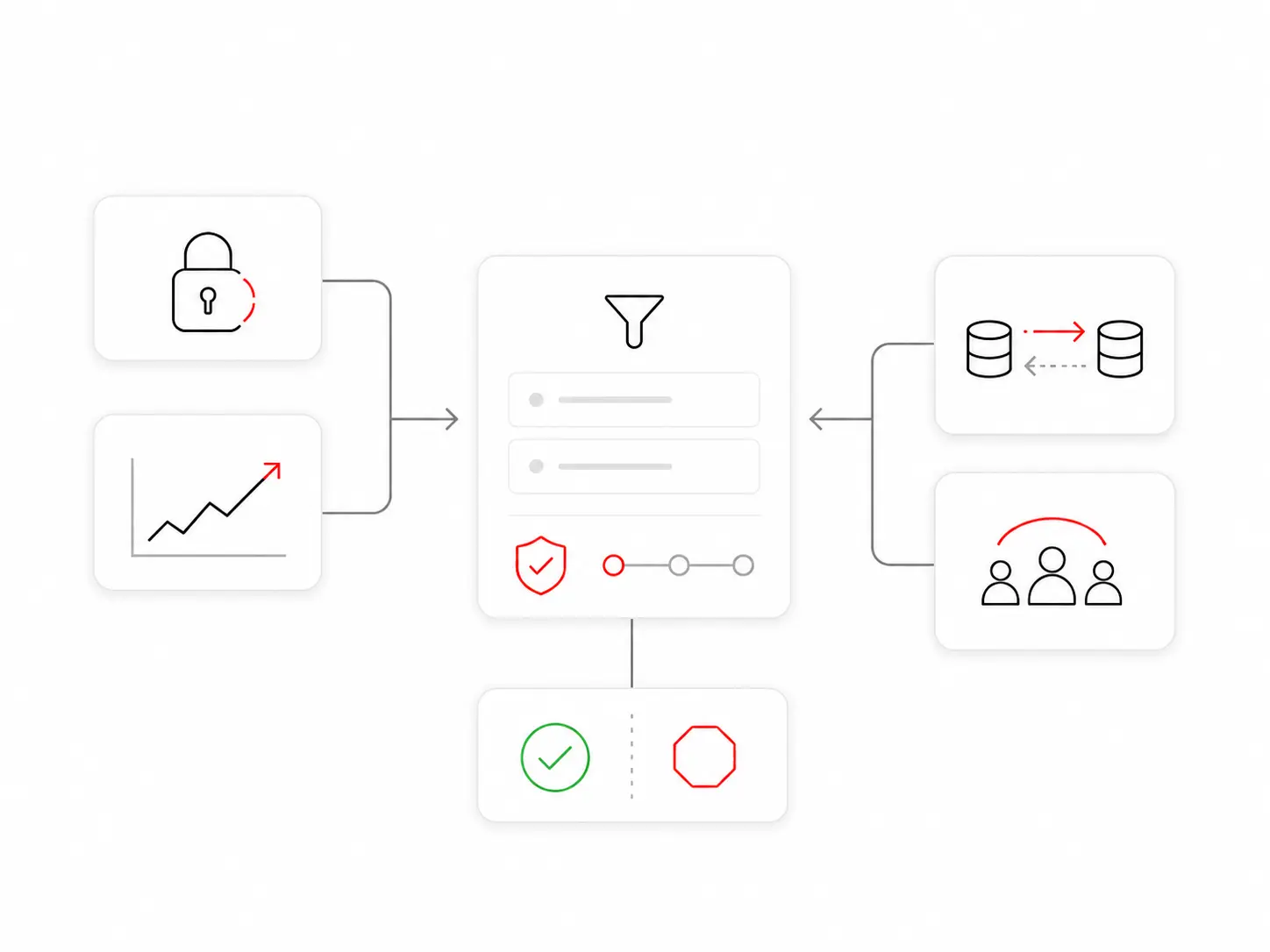
Every path carries risk, so we weigh both sides instead of only selling the move. We compare the risk of staying against the risk of switching: –
- Staying: vendor lock-in, price hikes, scaling limits, roadmap dependence
- Switching: build effort, migration complexity, change management
Then we pressure-test whether a custom replacement is realistic for you — technically and financially — before anyone commits to a rebuild. If the risk of moving outweighs the reward, you’ll hear that plainly.
ROI & TCO model
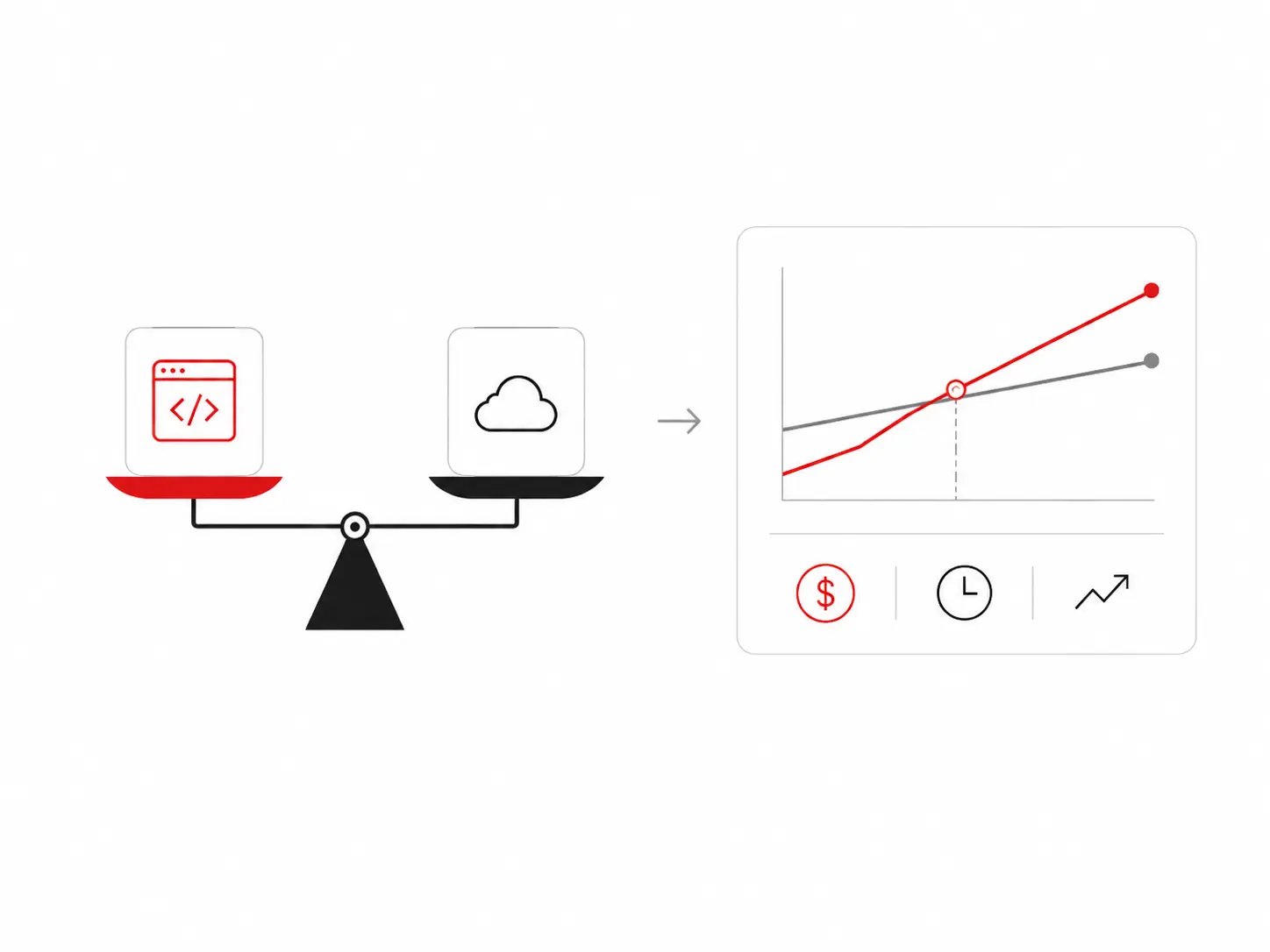
This is where the decision gets numbers behind it. We build a build-vs-buy comparison across a 1–3 year horizon: what a custom replacement would cost to build and run, when it pays back versus continued renewals, and how AI-assisted delivery changes the timeline and the math.
You walk away with a model you can take straight to a renewal negotiation or a leadership review — not a gut feel, but a defensible figure with the assumptions shown.
Recommendation
Finally, you get a straight answer: replace, rebuild, migrate, or keep — with the reasoning laid out. If replacement makes sense, we outline a high-level MVP scope and estimate so you know what a first step would look like.
If keeping what you have is the smarter call, we’ll tell you that just as clearly. The goal isn’t to sell you a build. It’s to turn a risky, high-stakes guess into a decision you can stand behind.
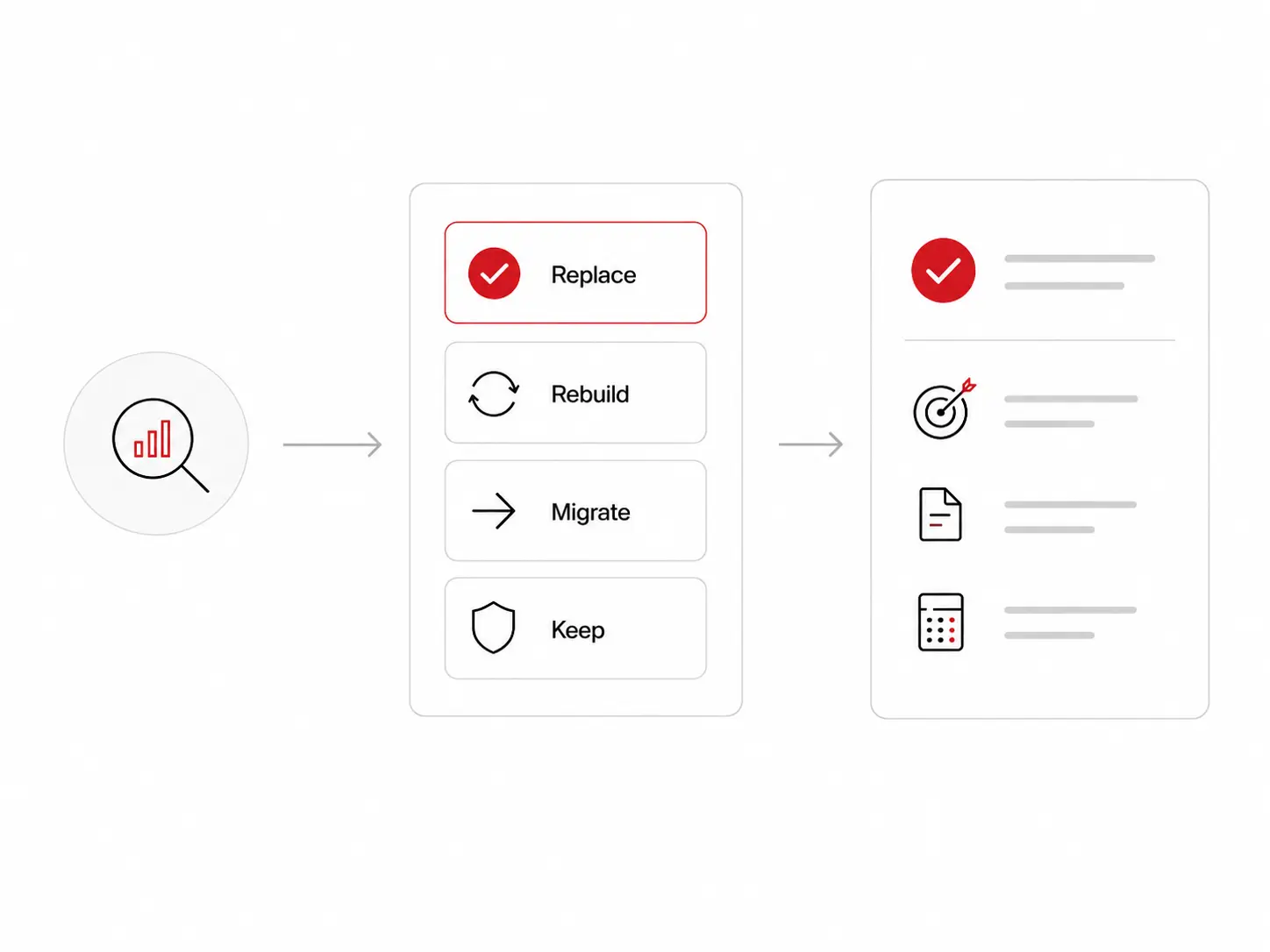

Make the build-vs-buy call on data, not a vendor’s pitch. Free, no commitment.

Book your free assessment
Only name, email, and company are required. Budget and NDA are optional. The assessment is free — no commitment.
What you walk away with
Concrete deliverables from one short assessment.
Fit & risk read
- How well the tool fits today
- Lock-in and scaling risks
- What staying really costs
Build-vs-buy model
- 1–3 year TCO comparison
- Payback timeline
- ROI of replacing vs keeping
Clear recommendation
- Replace, rebuild, migrate, or keep
- MVP scope if it fits
- No-obligation summary
Why the build-vs-buy math just changed
Custom used to mean long timelines. Not anymore.

Faster builds
AI-assisted development cut custom timelines by 40–50%. Six months of work now ships in 10–14 weeks.

Faster payback
A custom replacement can pay back sooner than another year of renewals.

Control kept
Use AI where it speeds delivery — without giving up control over your product.
FAQ
Yes. The assessment and its summary are free and carry no obligation.
No. The recommendation can just as easily be “keep it” or “optimize.” We give you the reasoning, you decide.
Just your name, work email, and company. Budget and NDA fields are optional — skip them and still get the full assessment.
A short session, then you get the recommendation and model shortly after.
We can scope an MVP and estimate — but only if the assessment shows it makes financial sense.
Especially then. The assessment exists to answer exactly that question with data before you commit either way.
Book your free SaaS replacement assessment
Free · No commitment. Only name, email, and company required.